Tent fabrics put to the long-term test: 12 months of sun, rain and frost

Pirontex® compared directly with a conventional tent fabric

How do tent fabrics change when exposed continuously to sun, rain, heat and frost for an entire year?

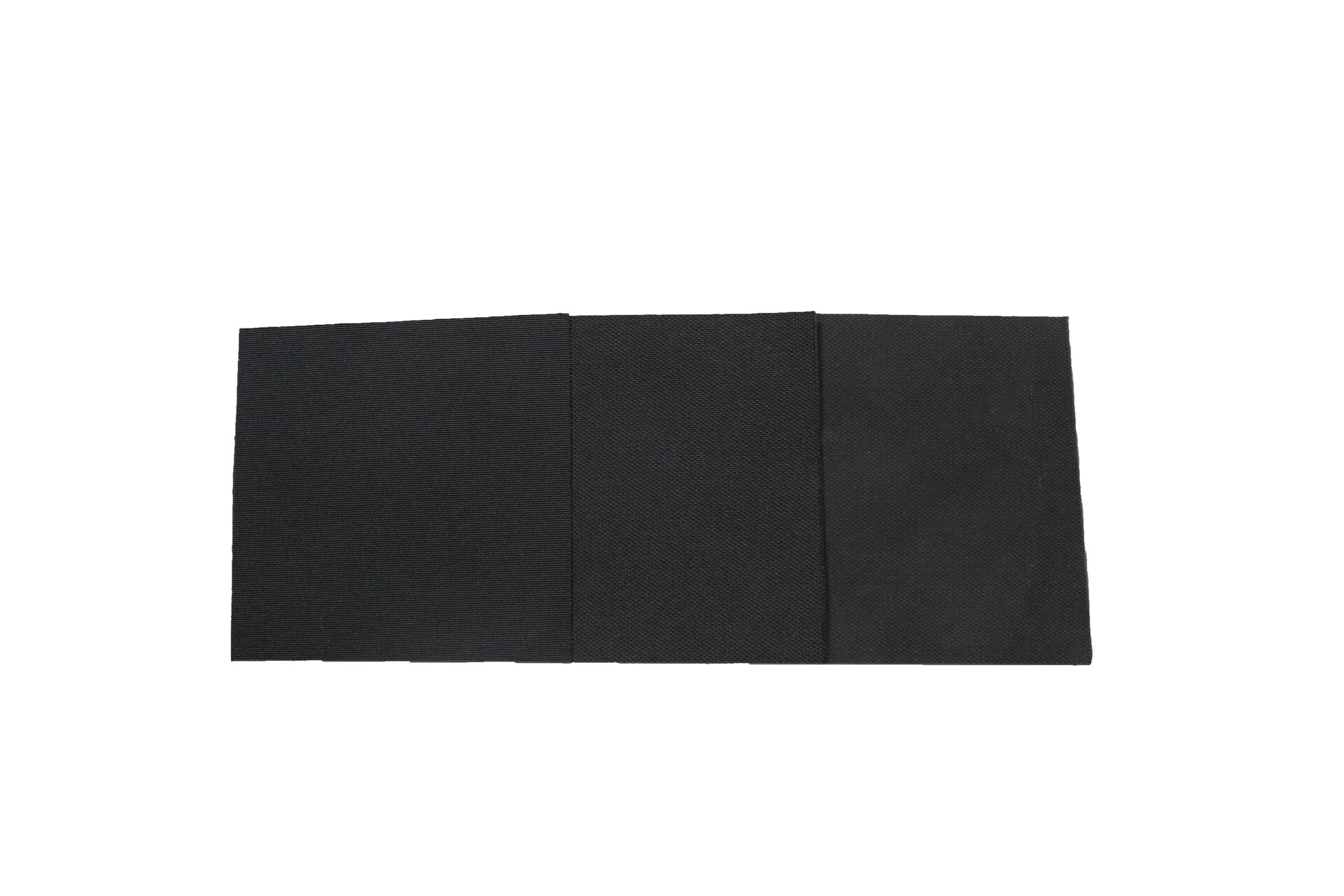
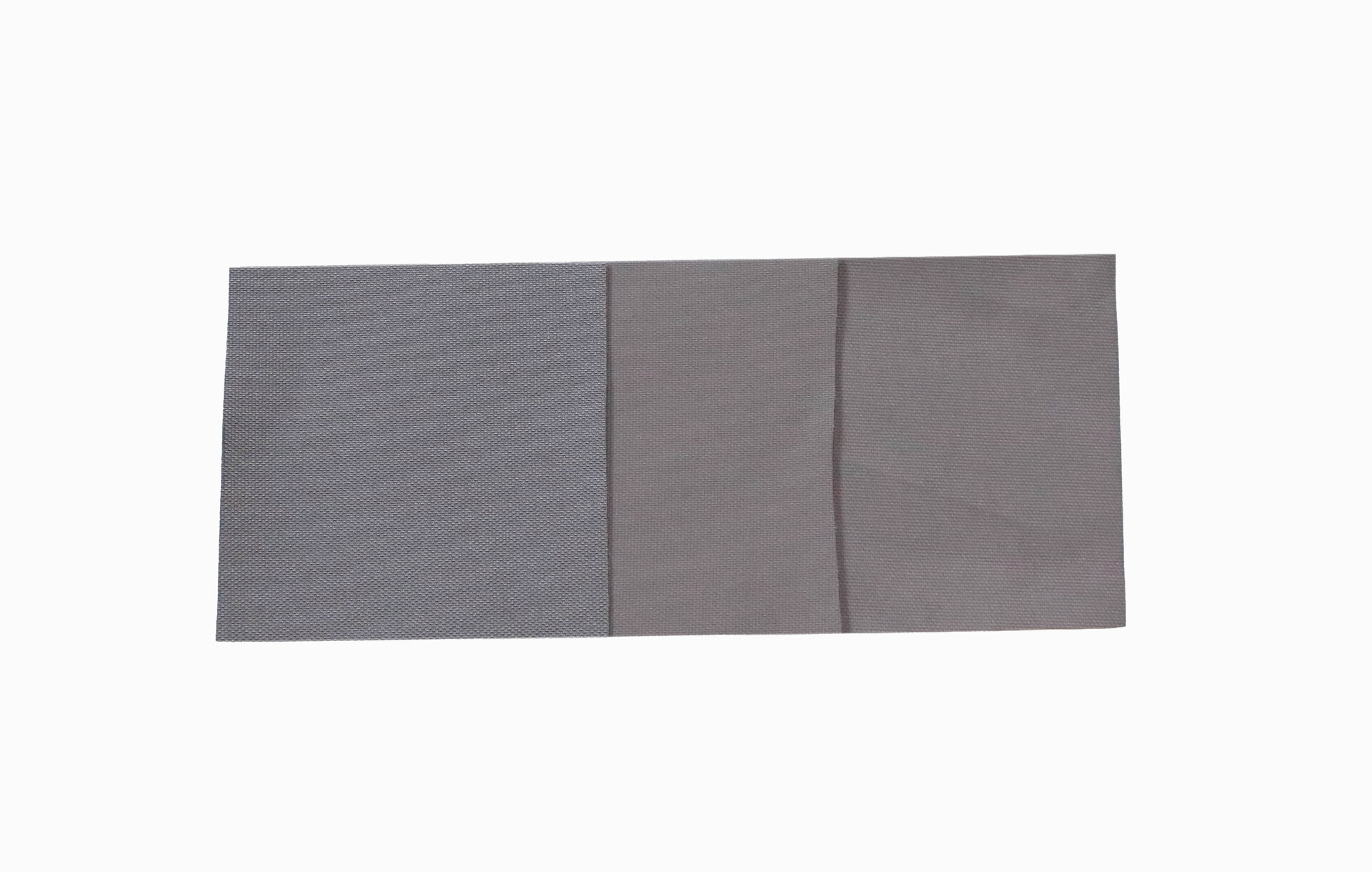
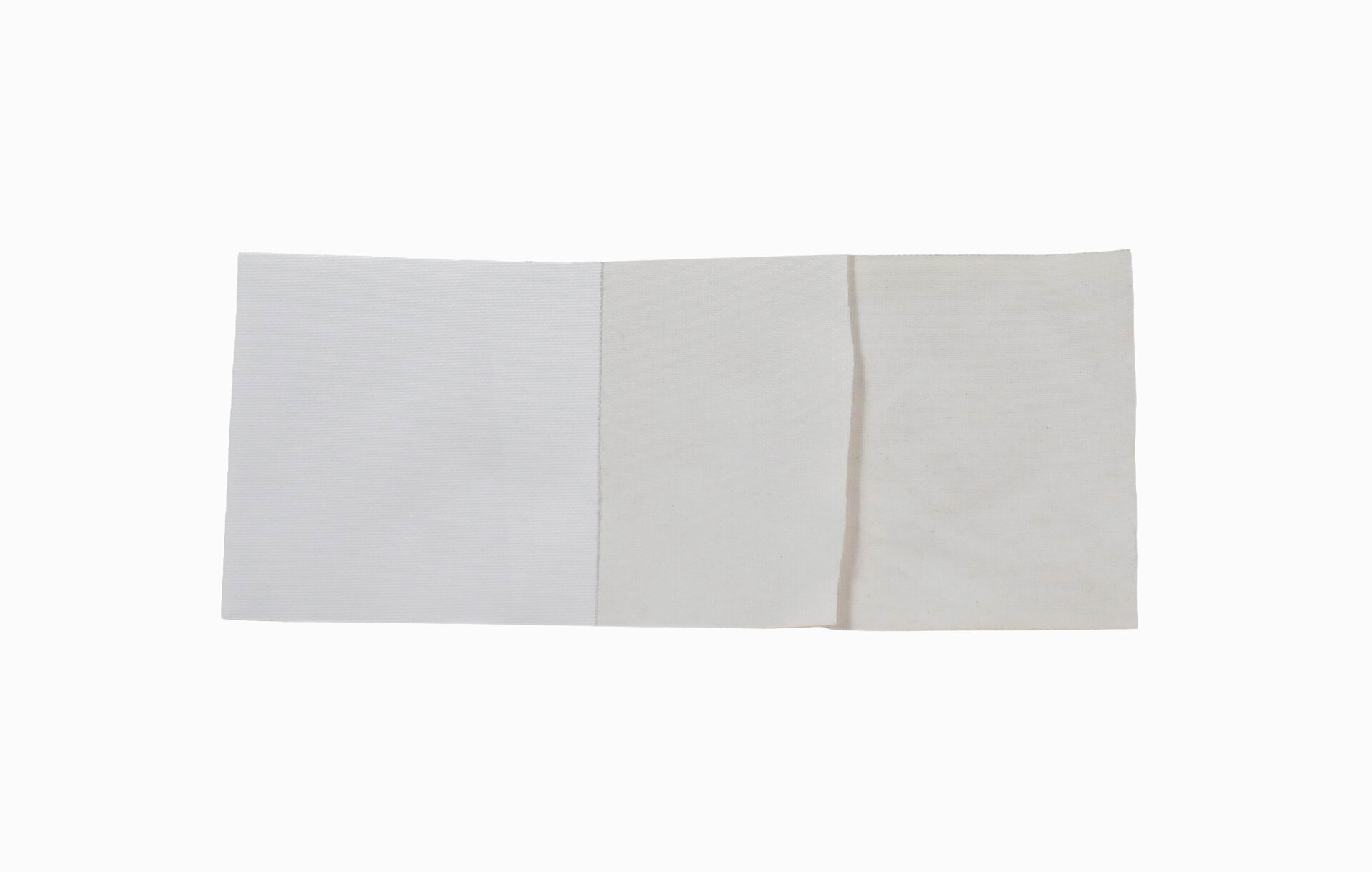
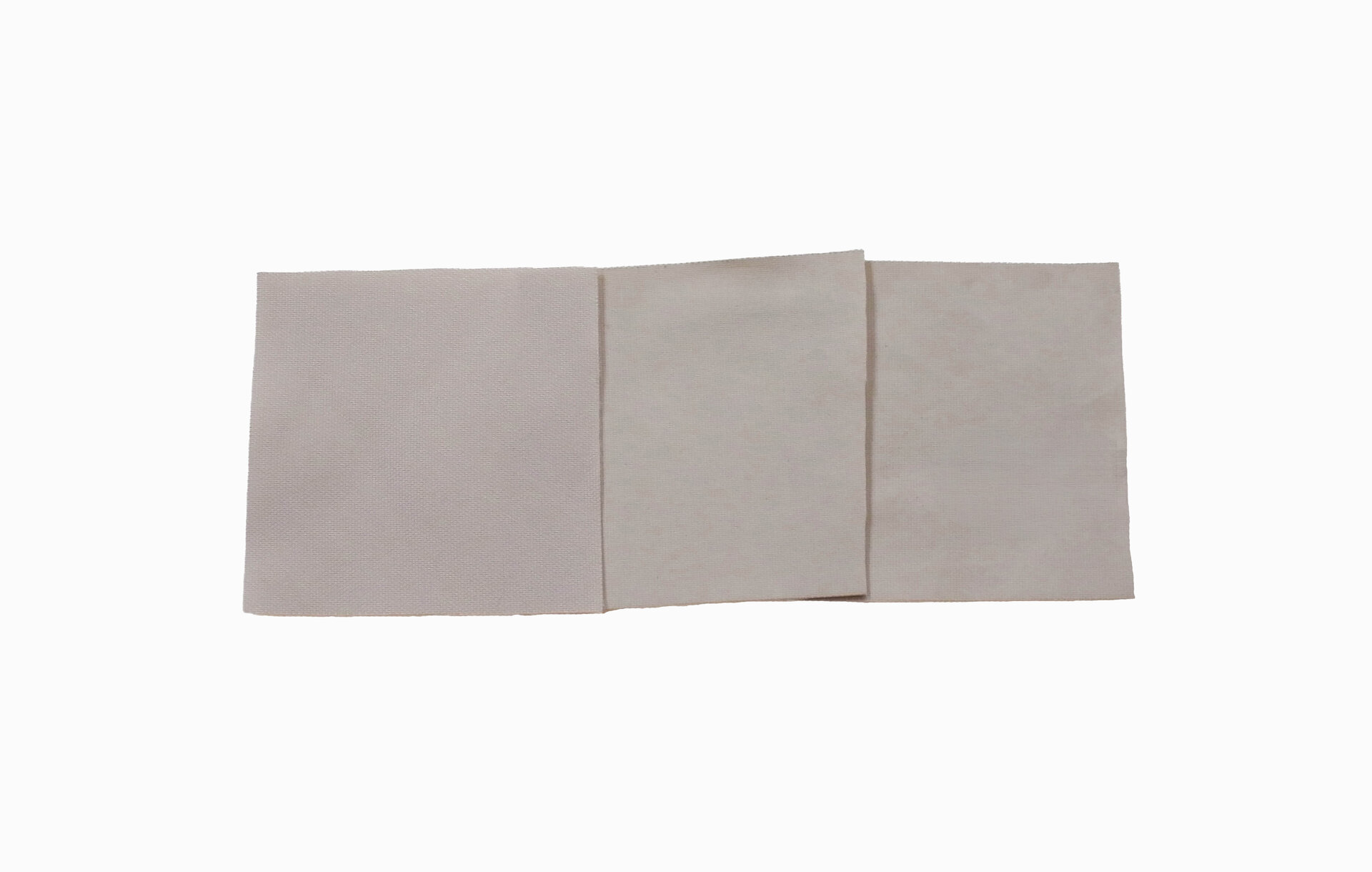
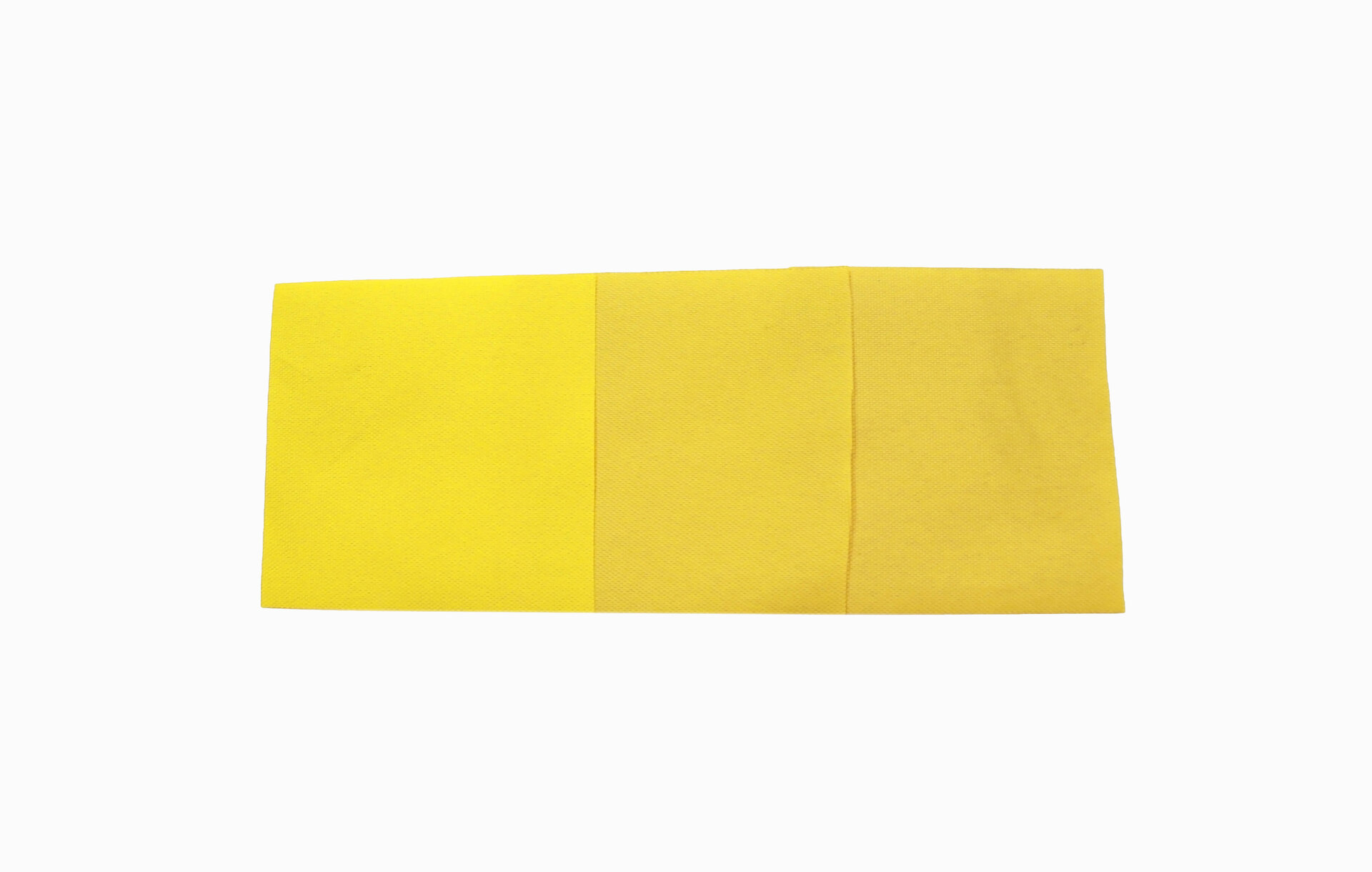
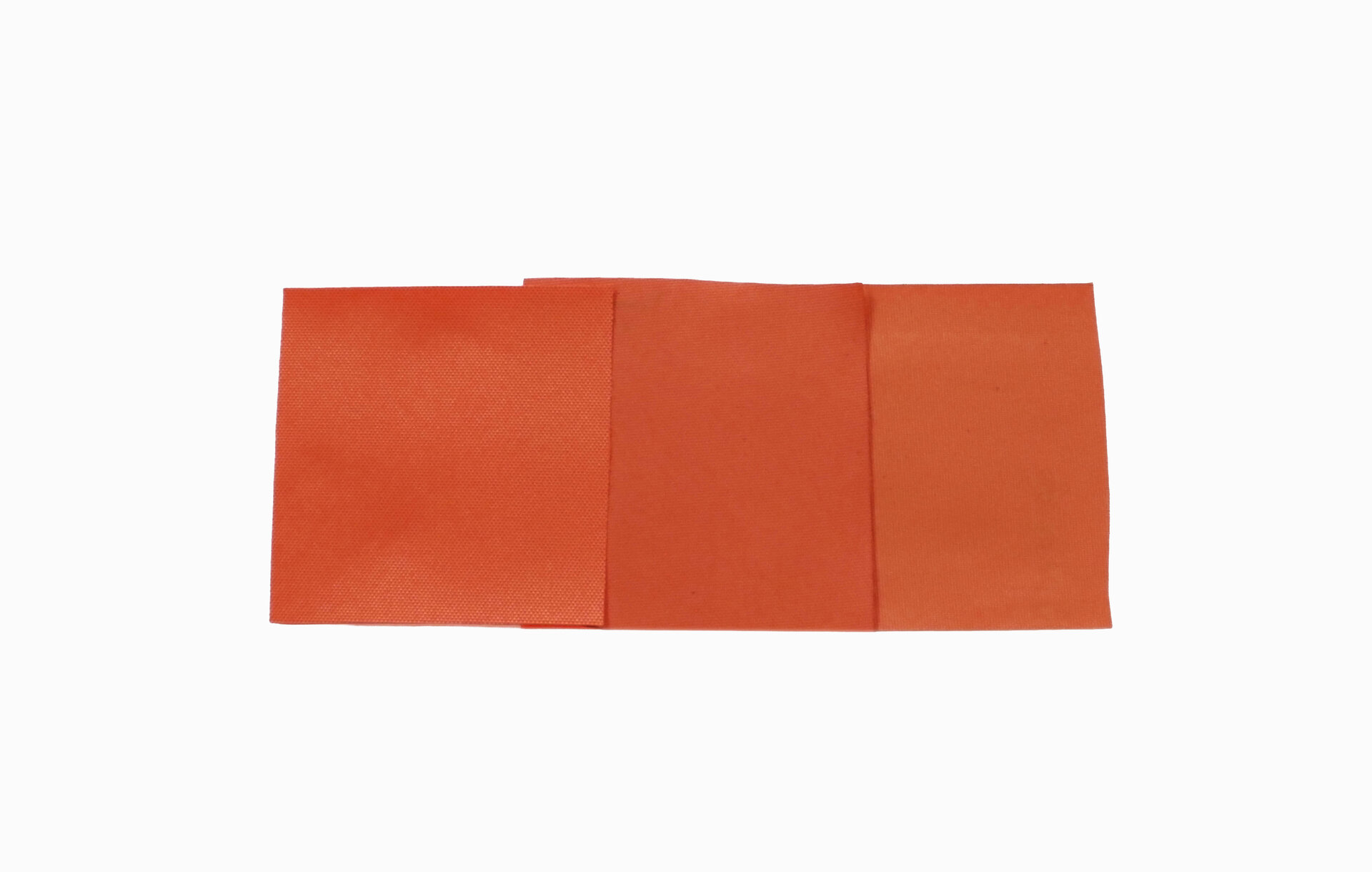
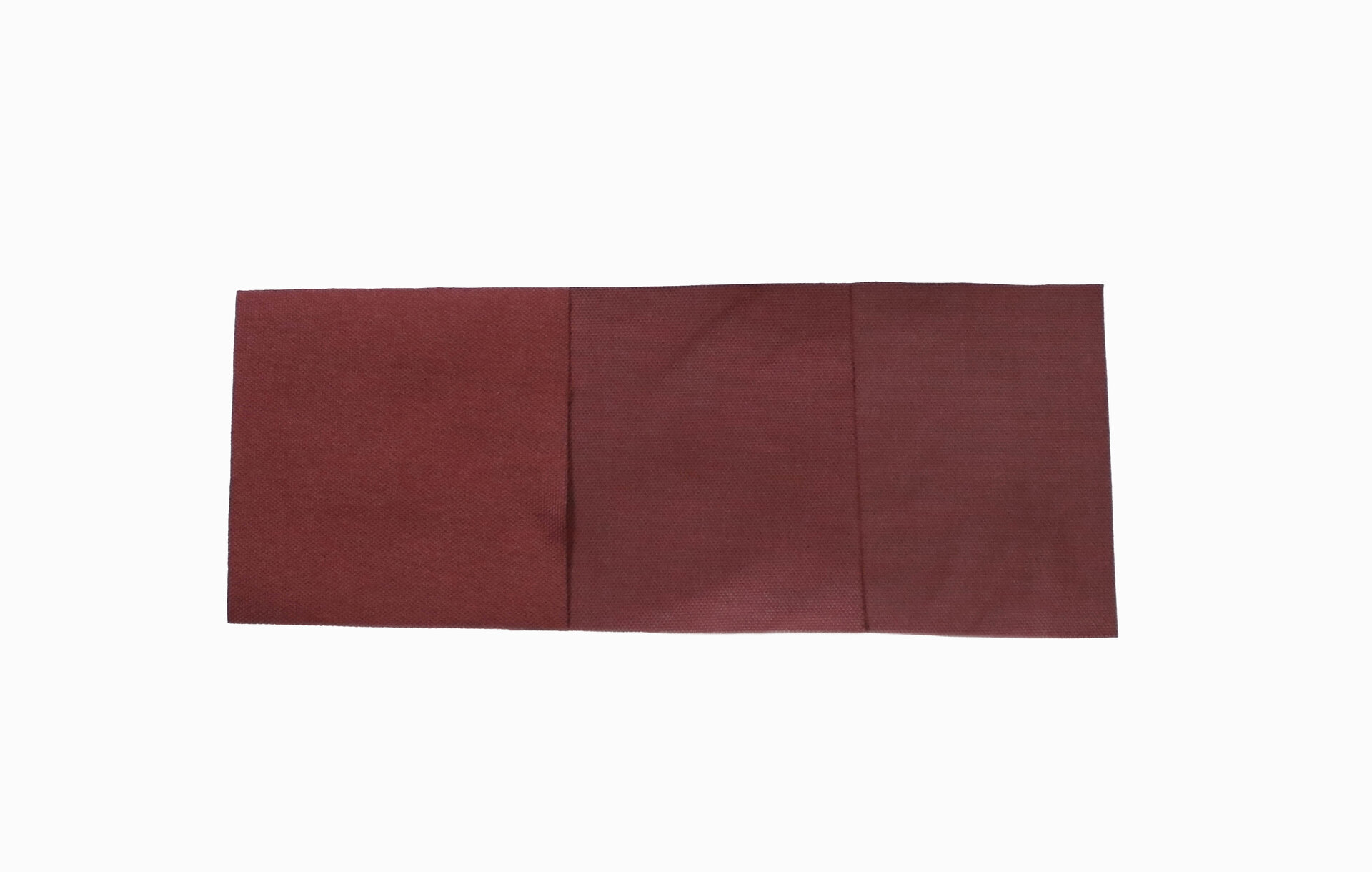
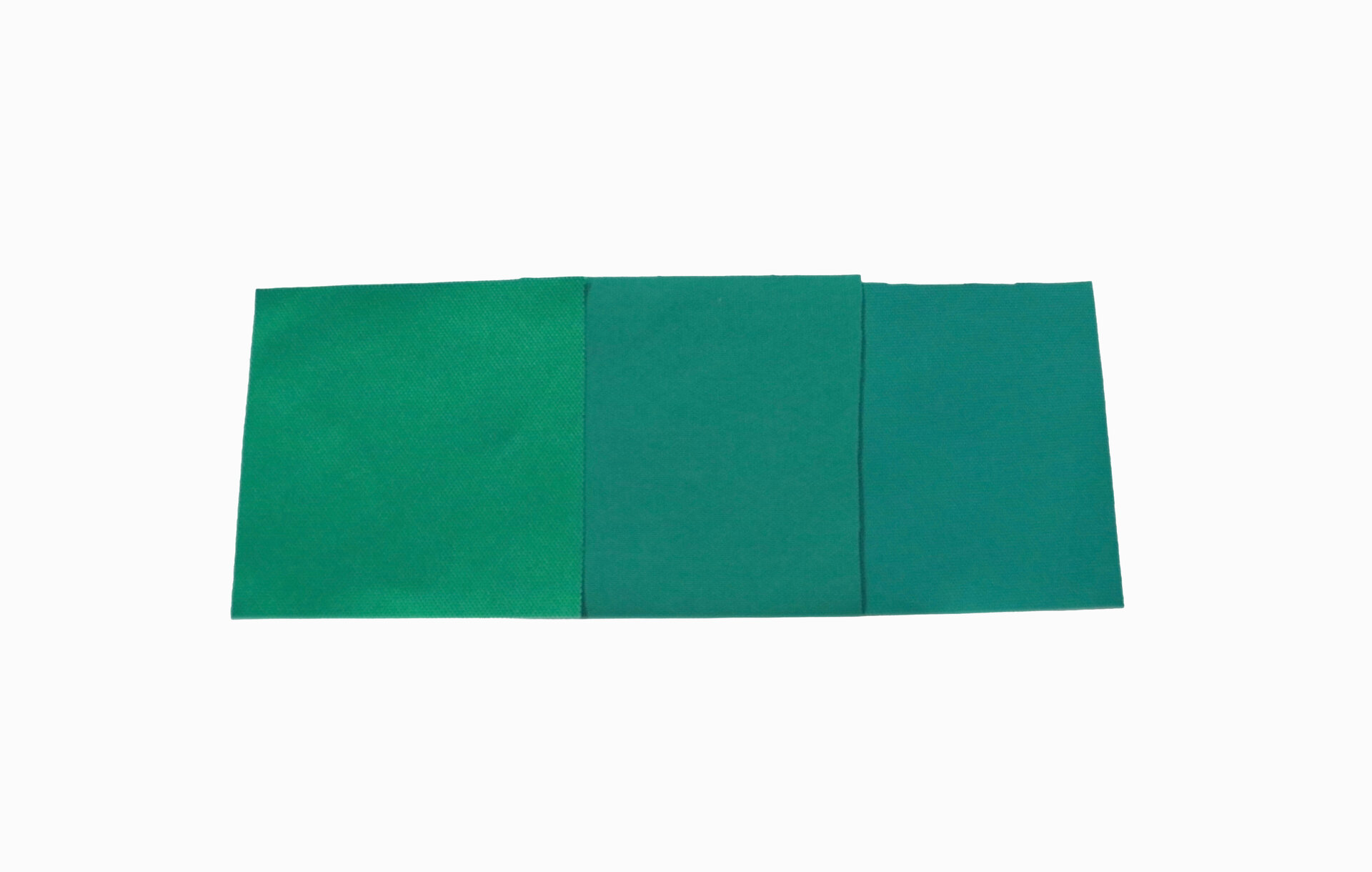
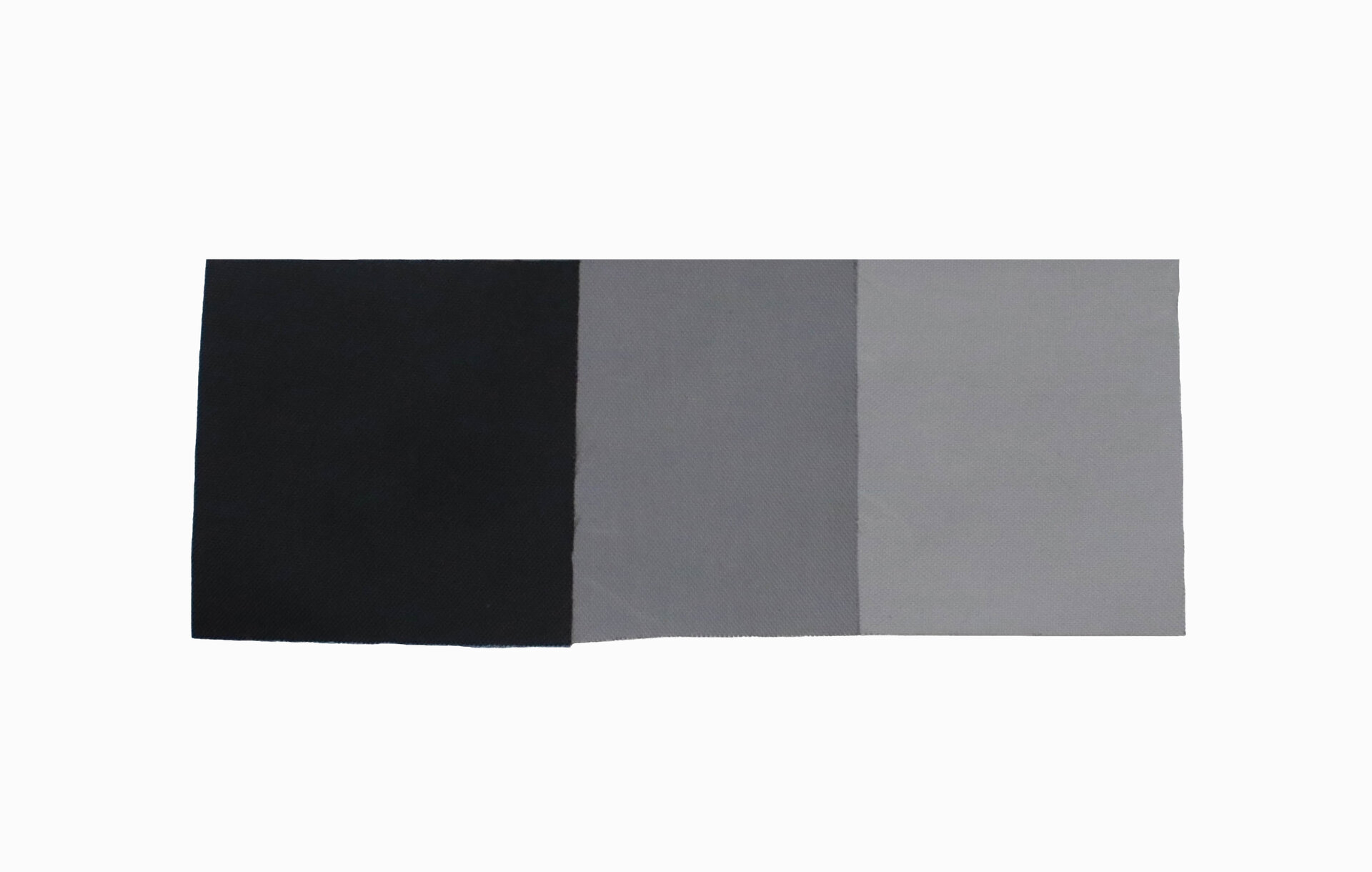
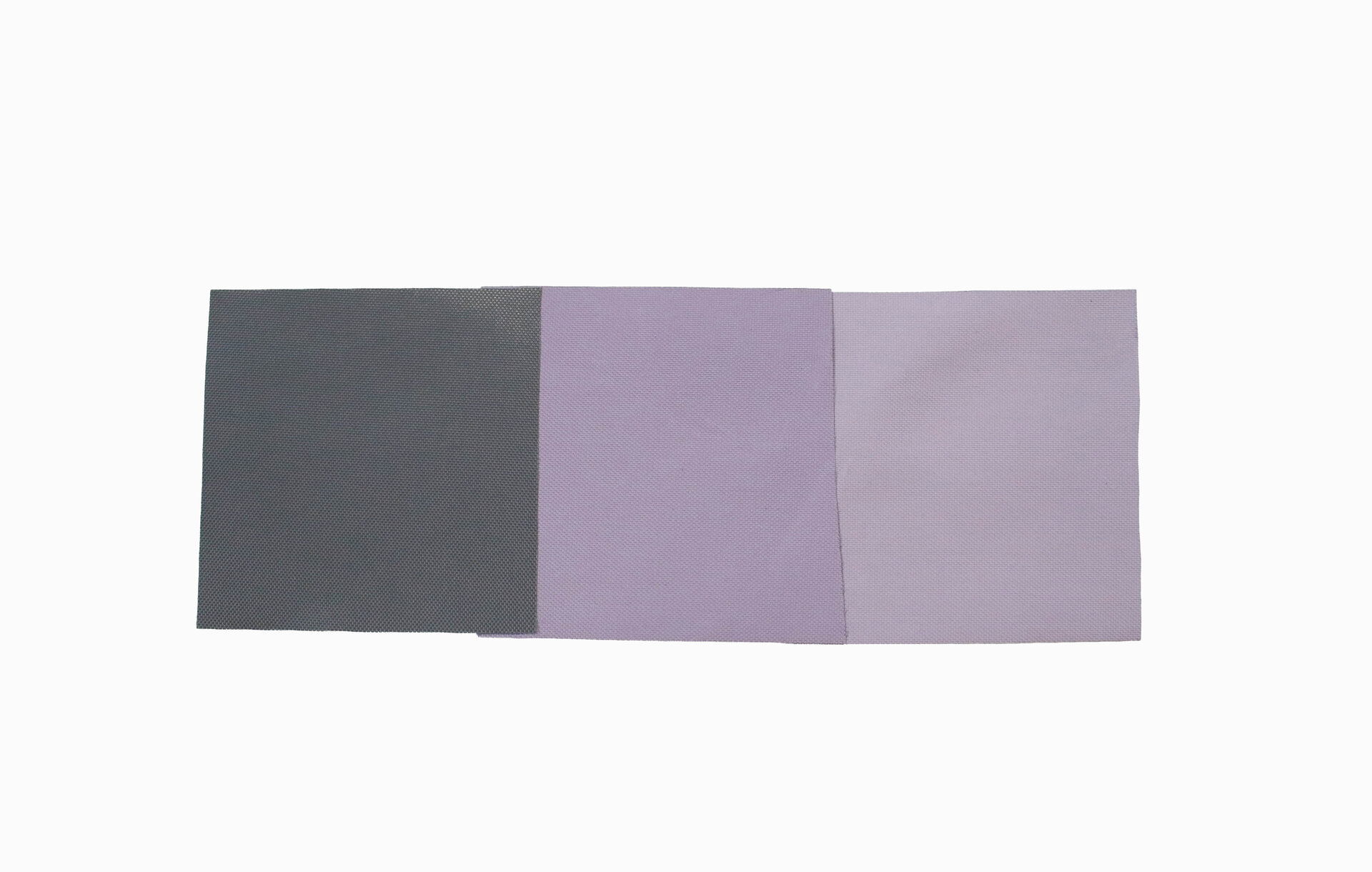
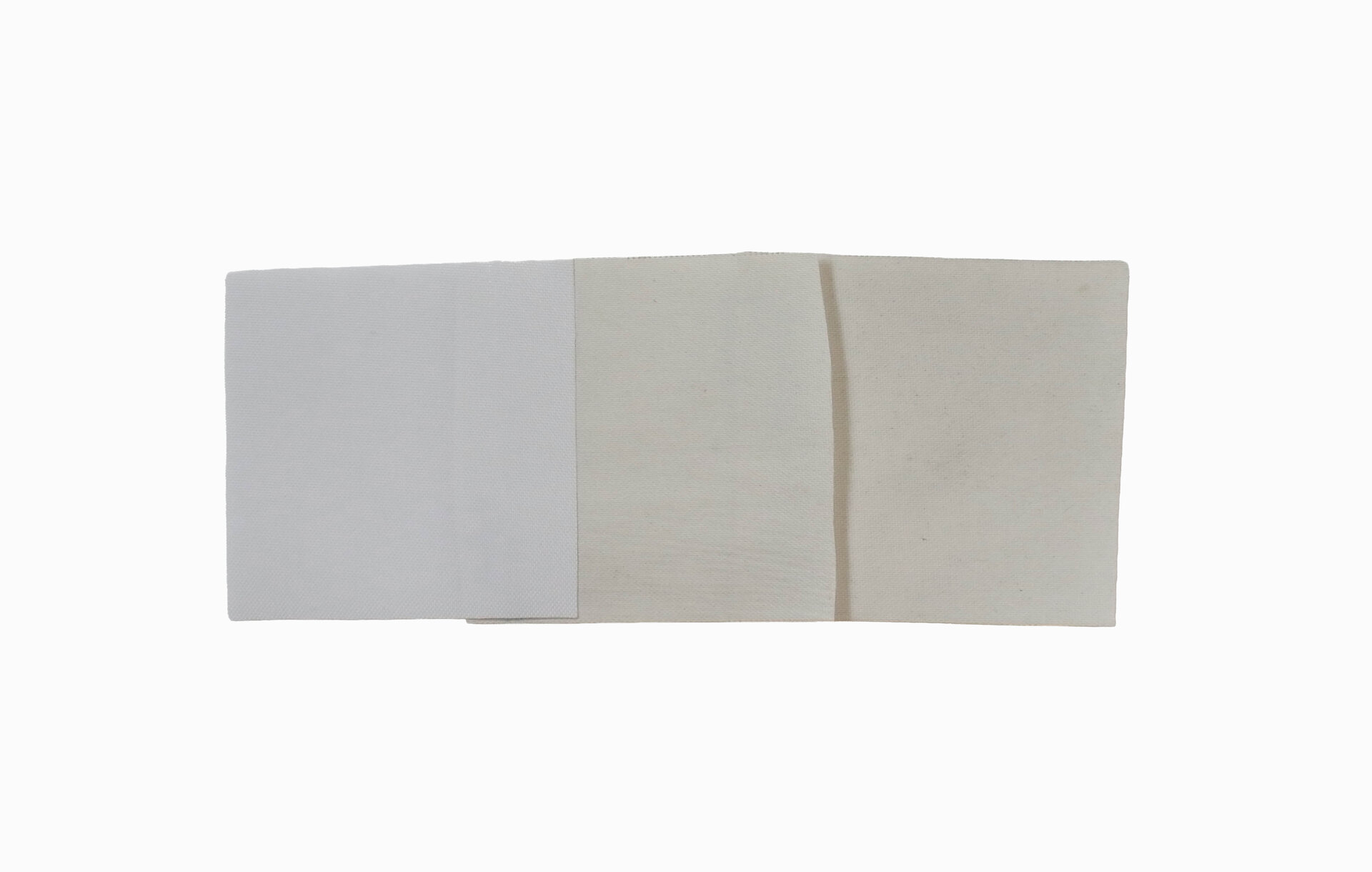
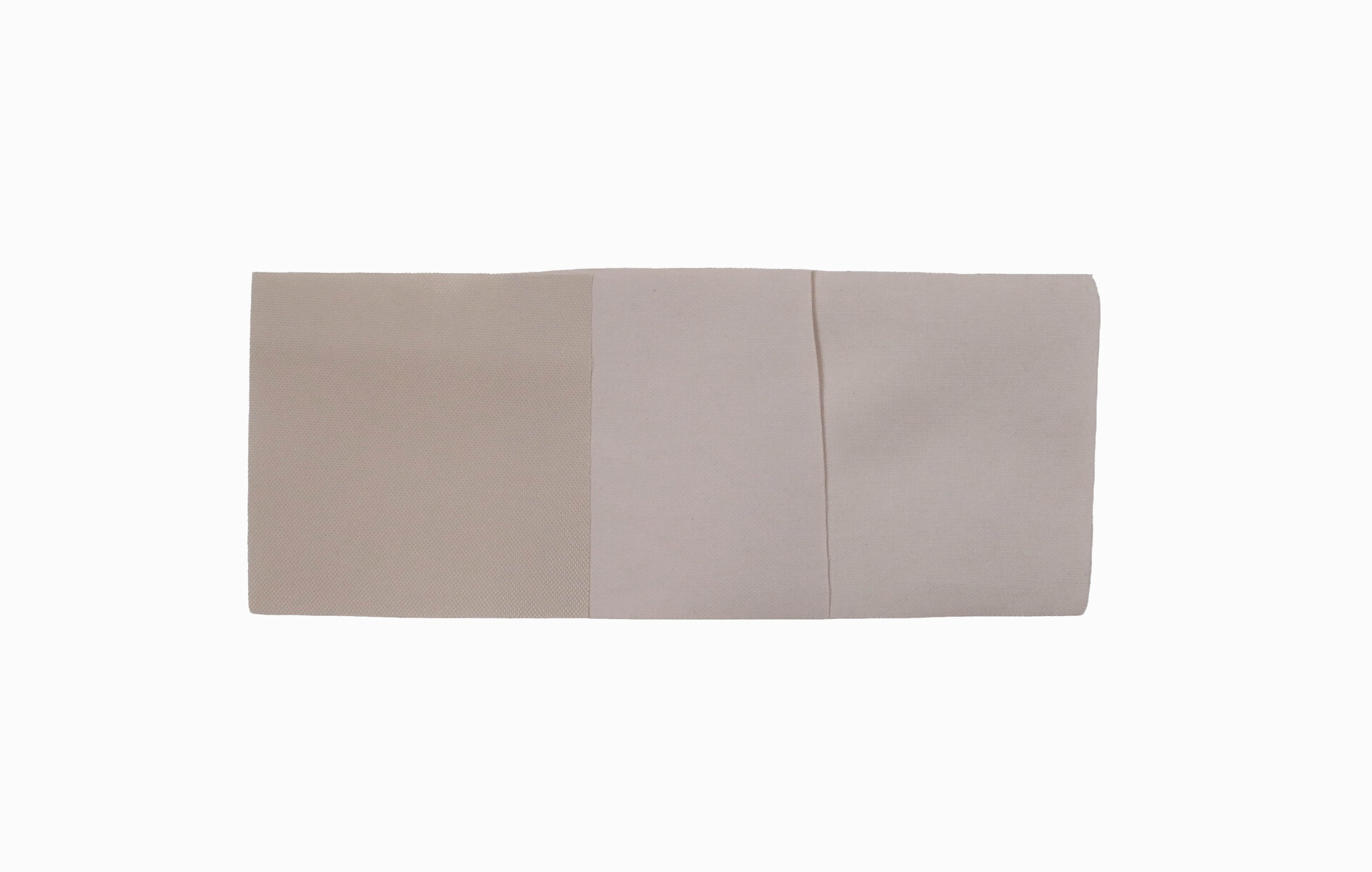
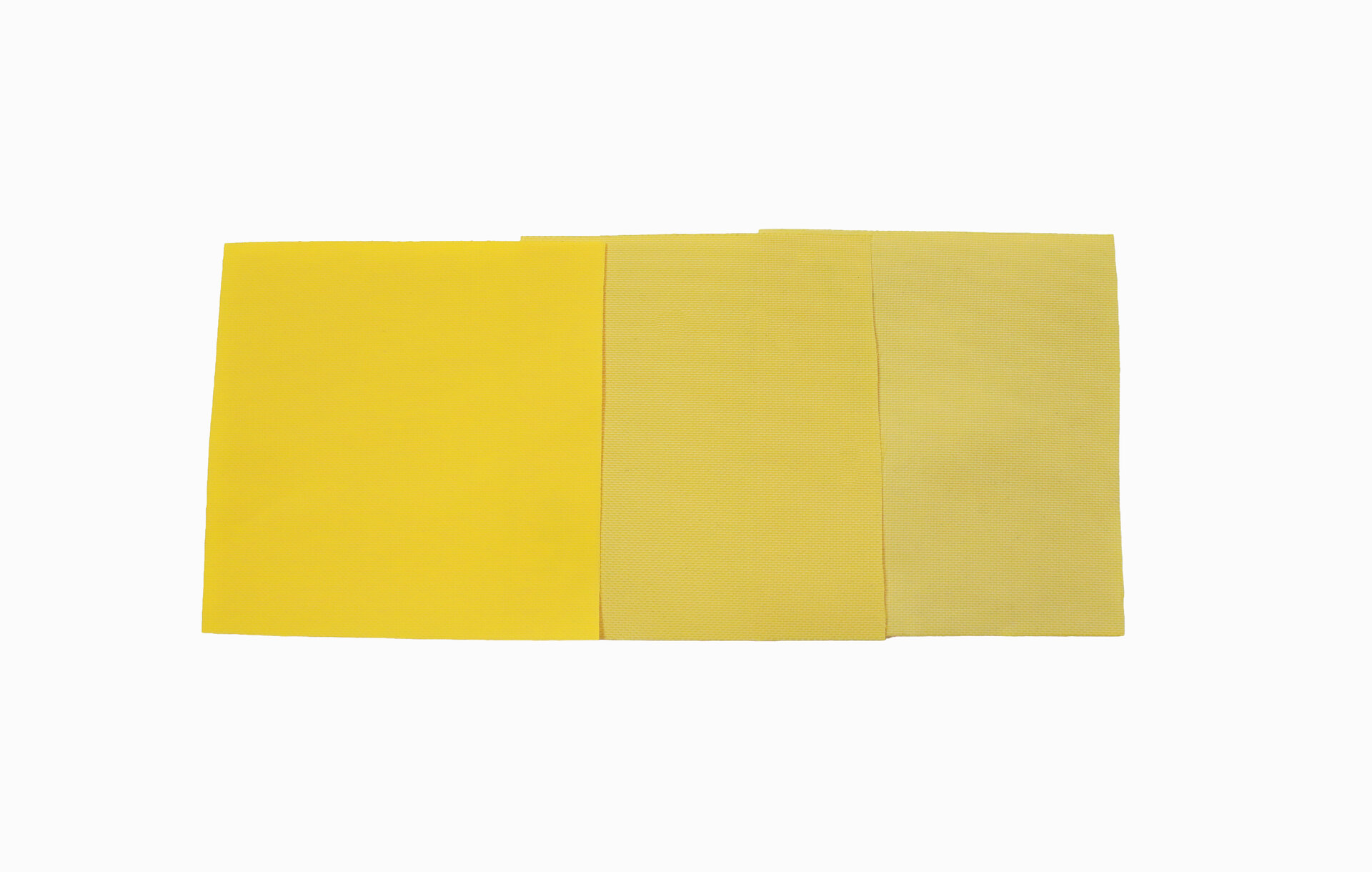
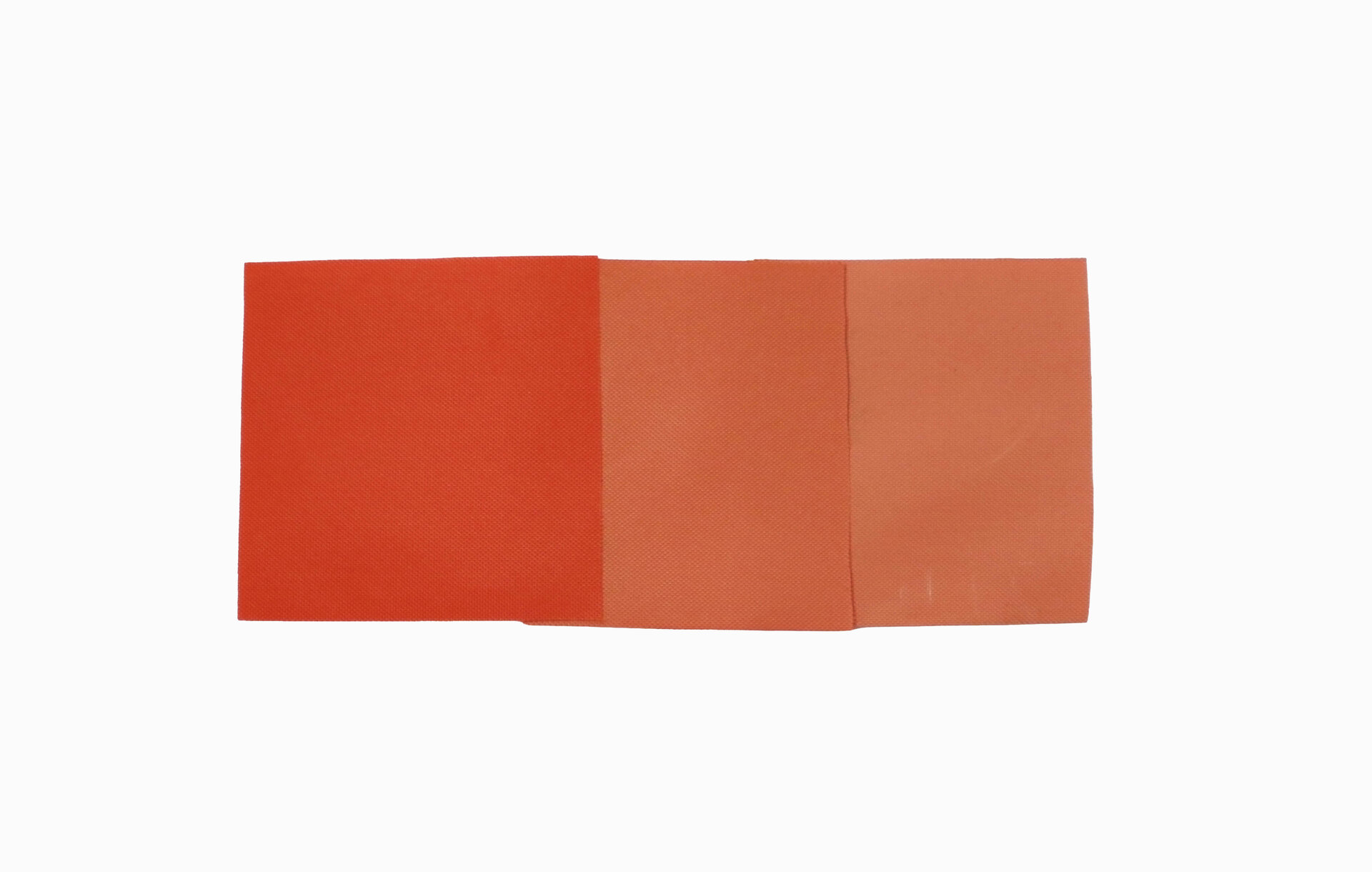
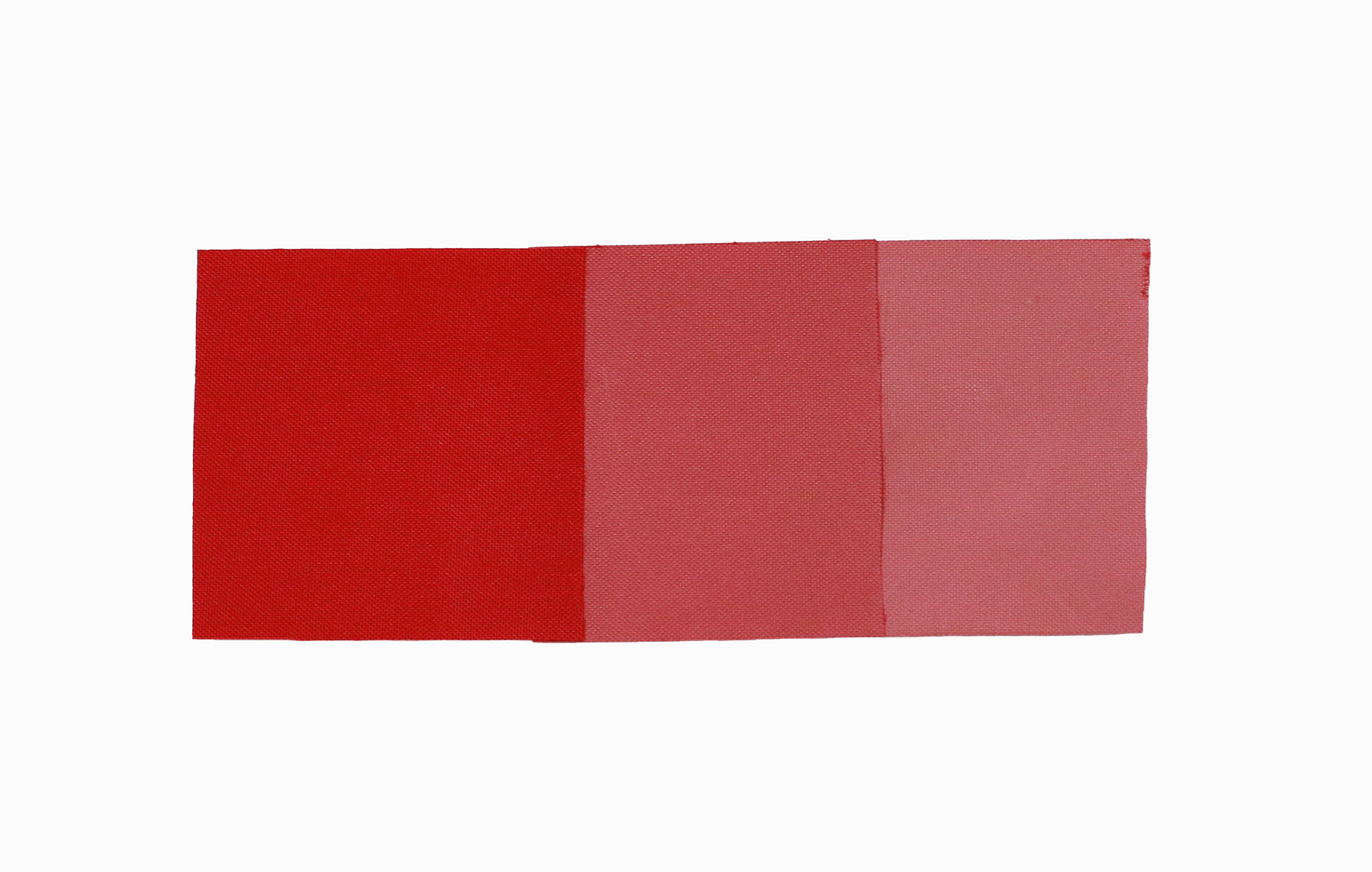
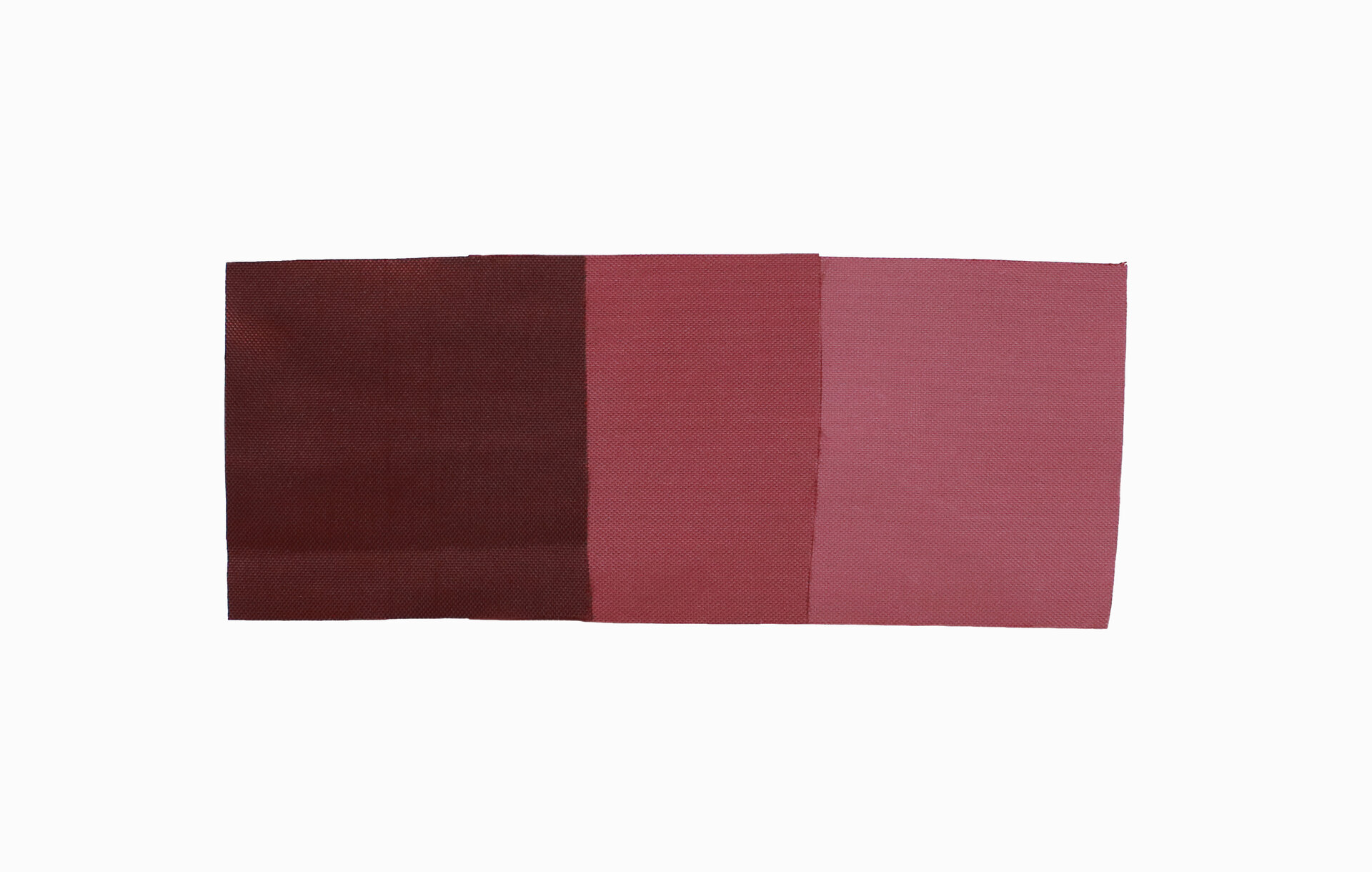
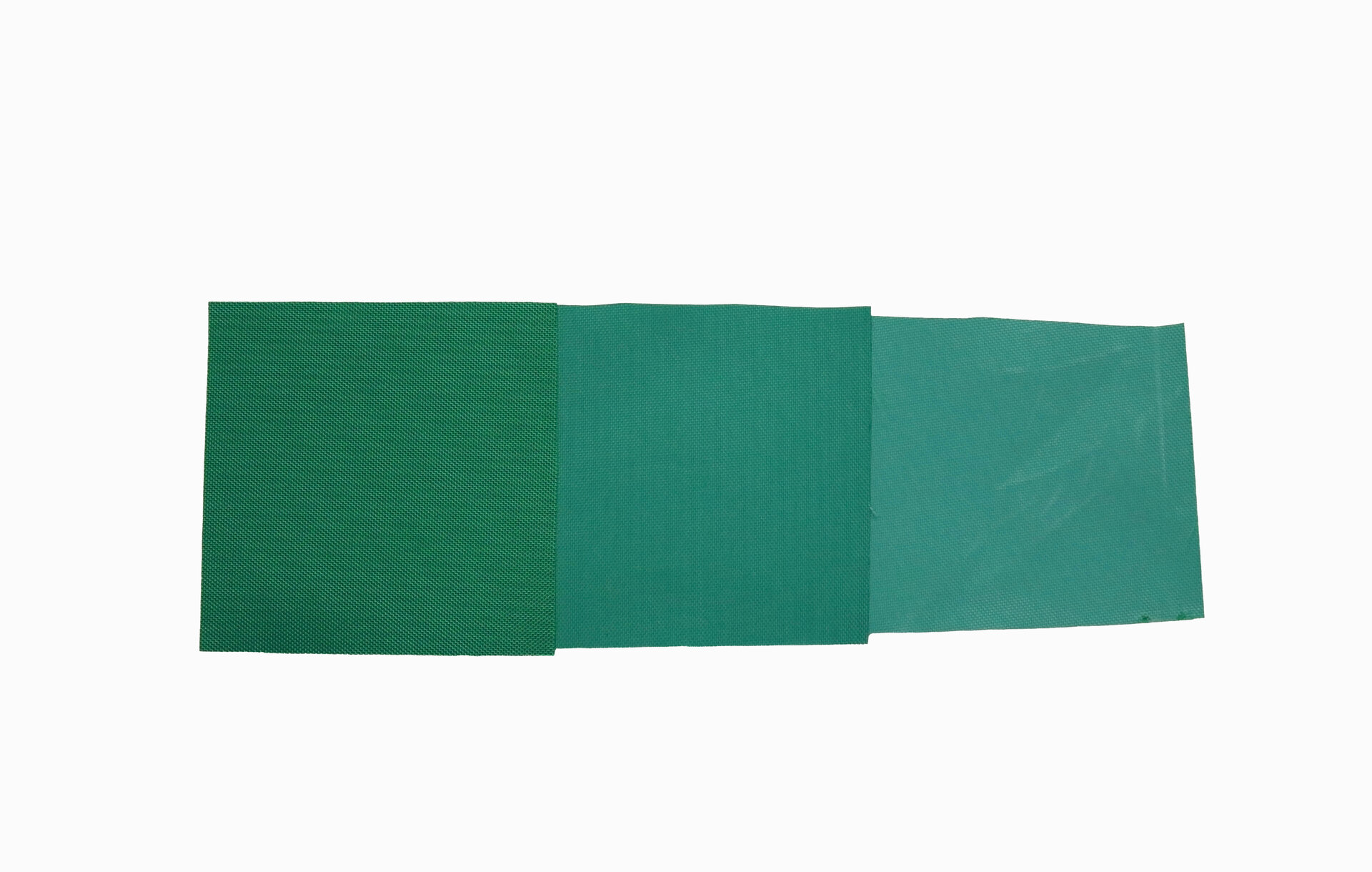
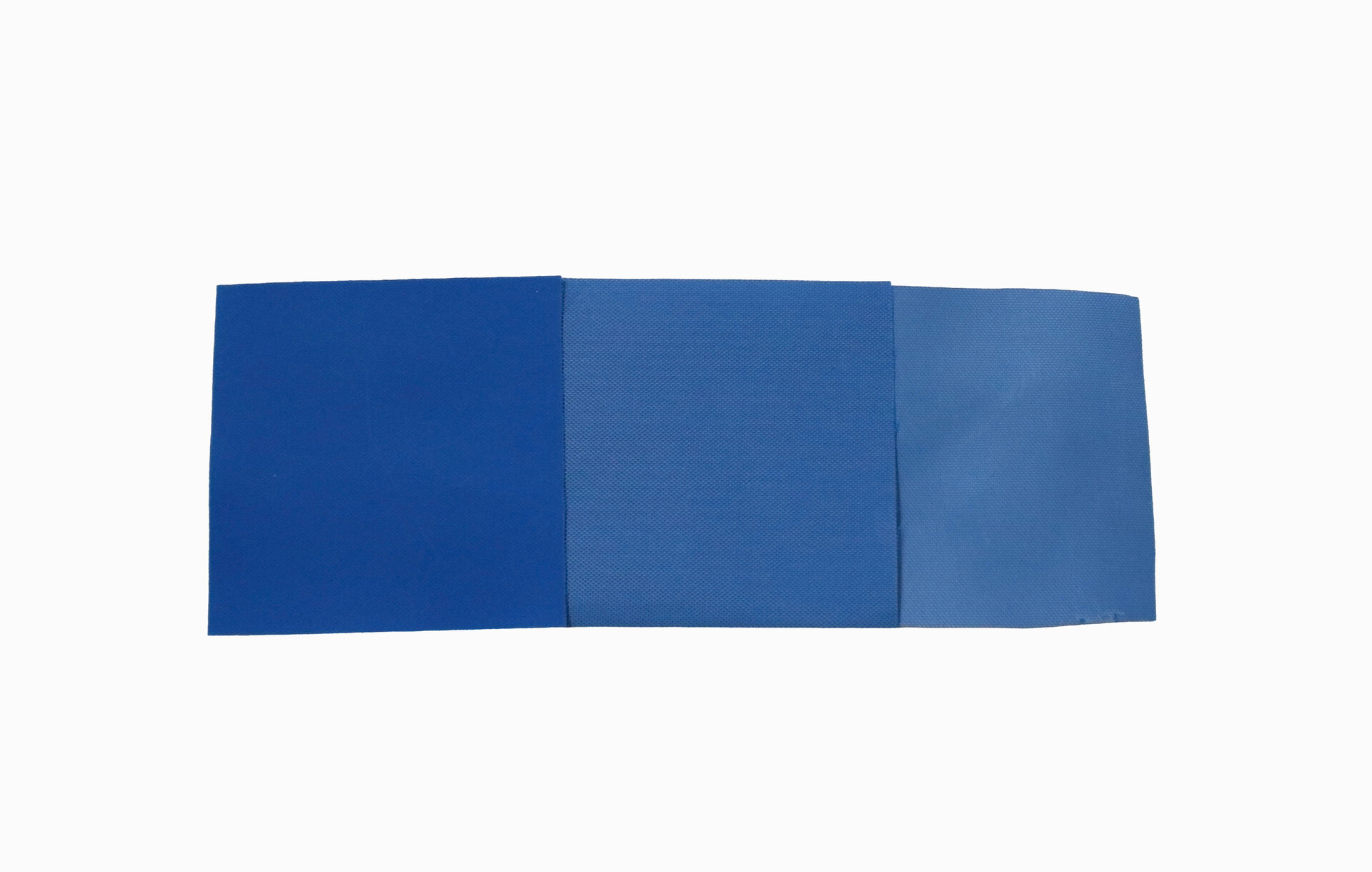
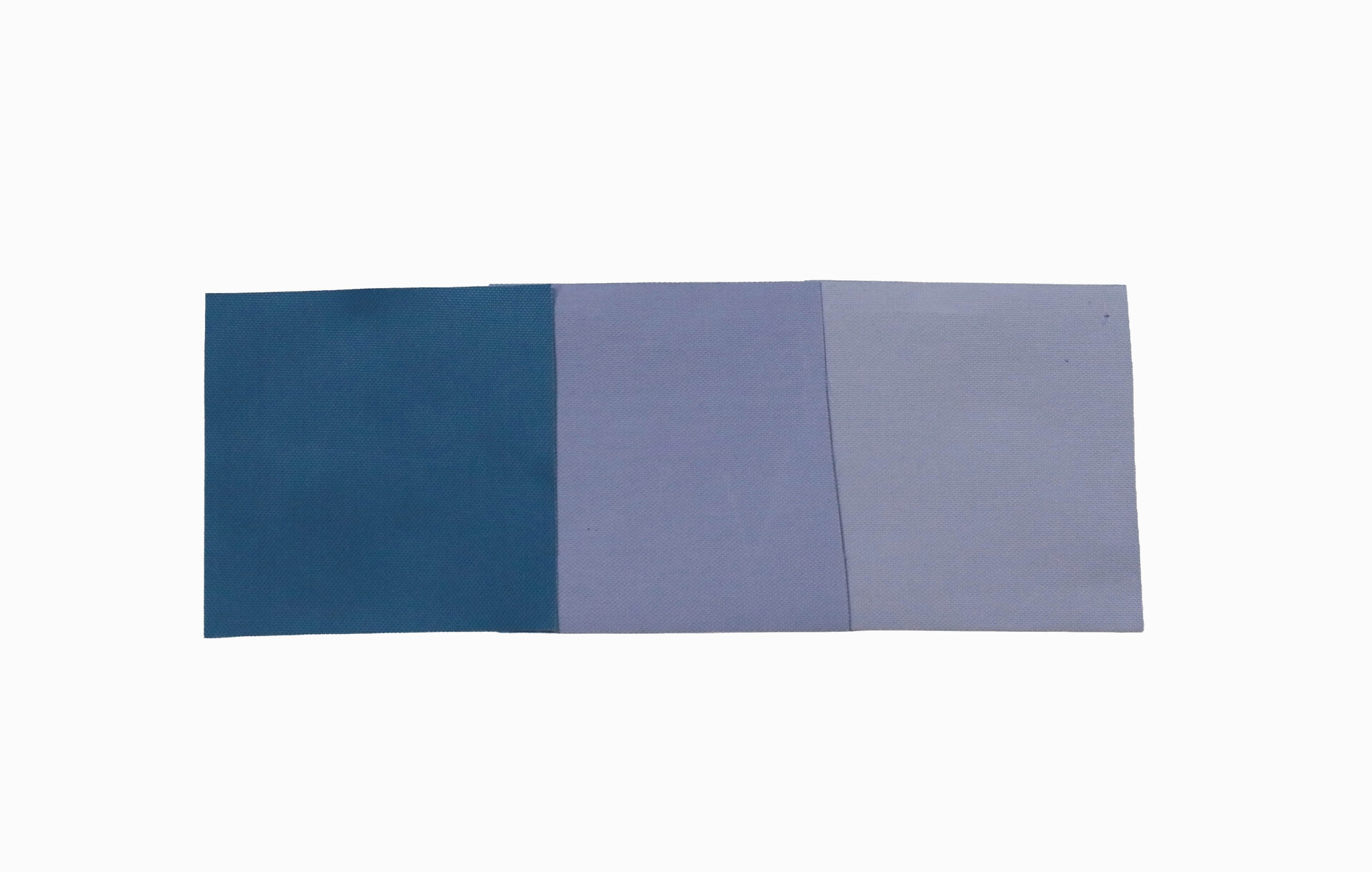
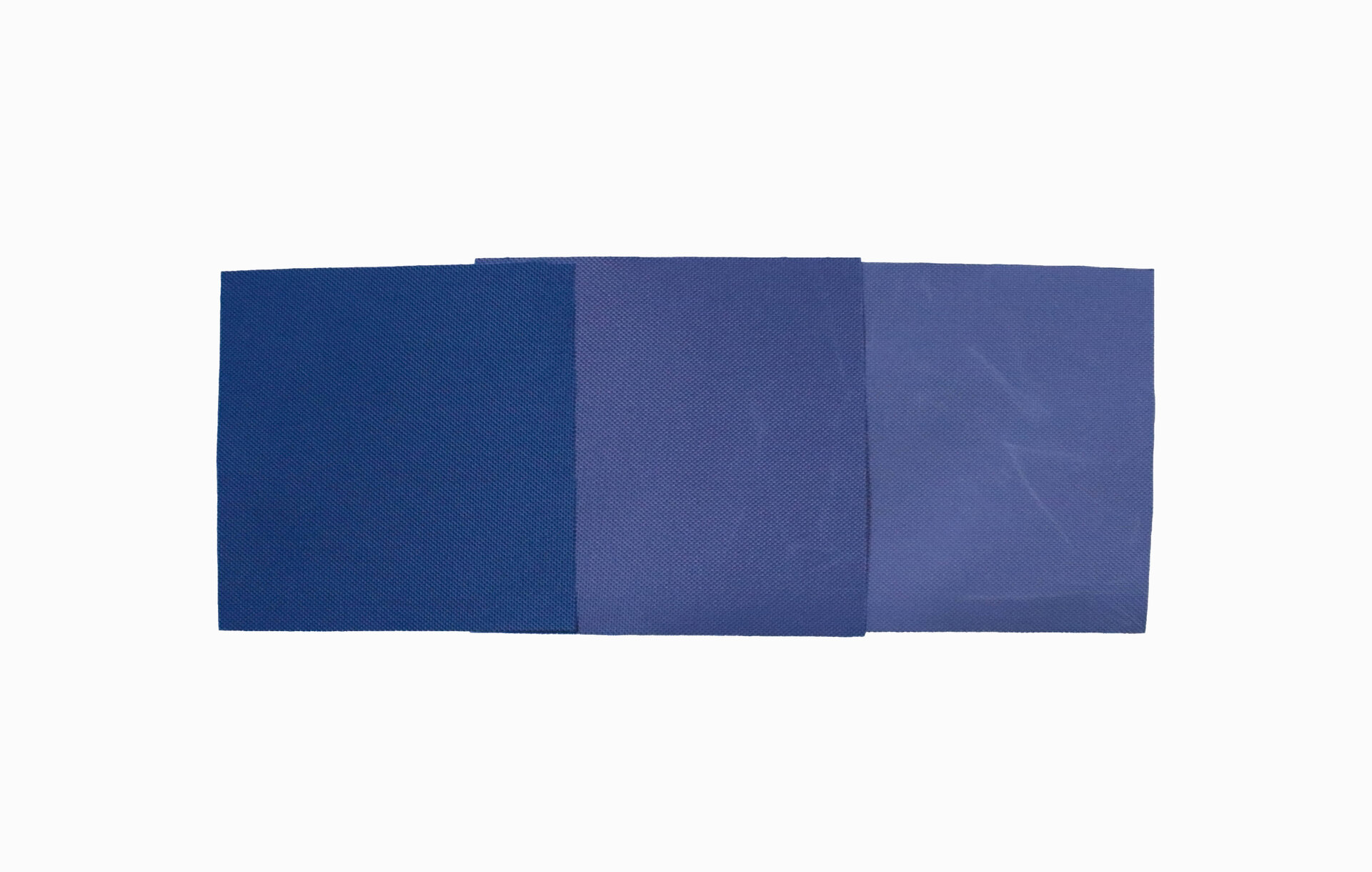
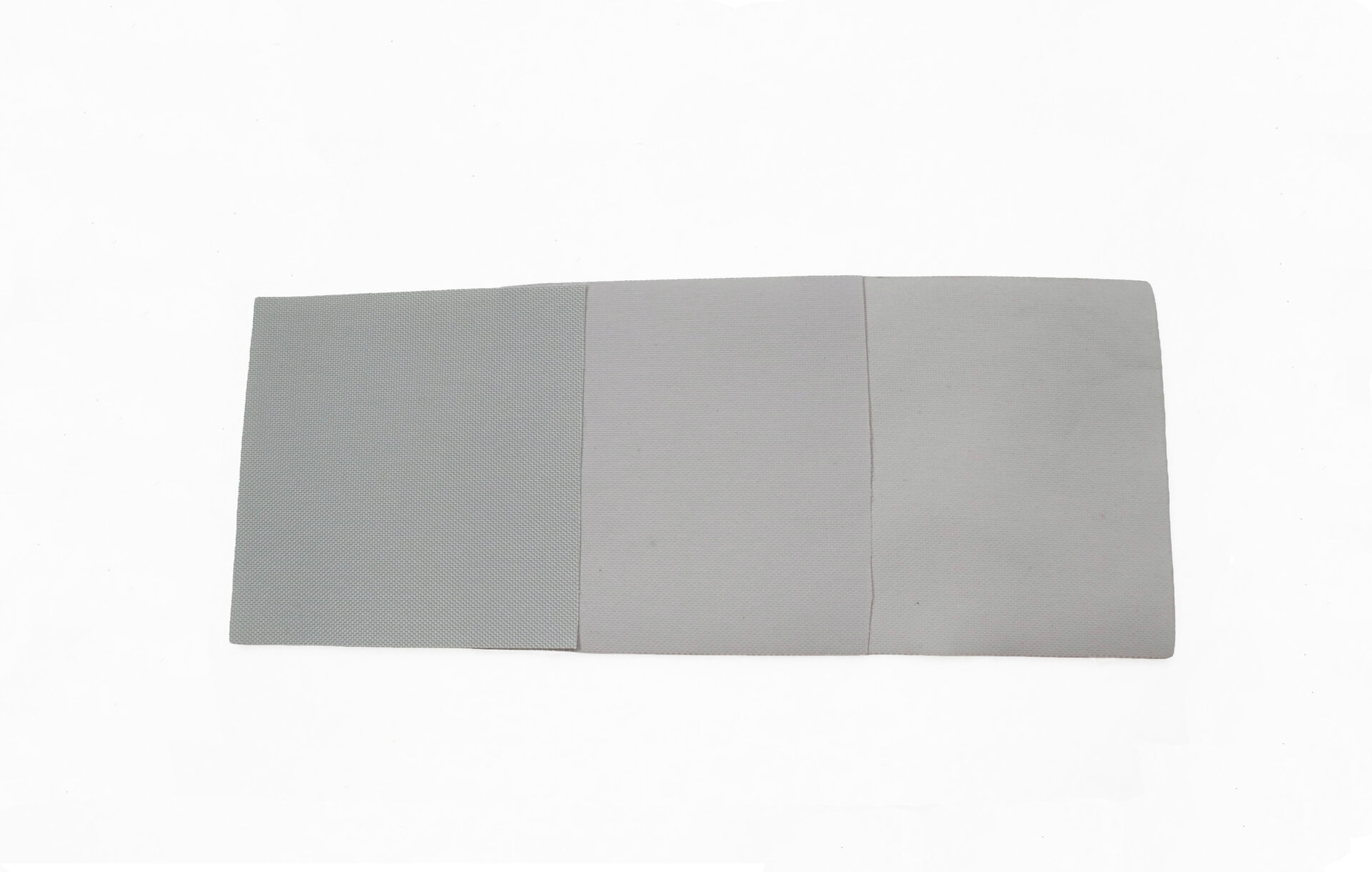
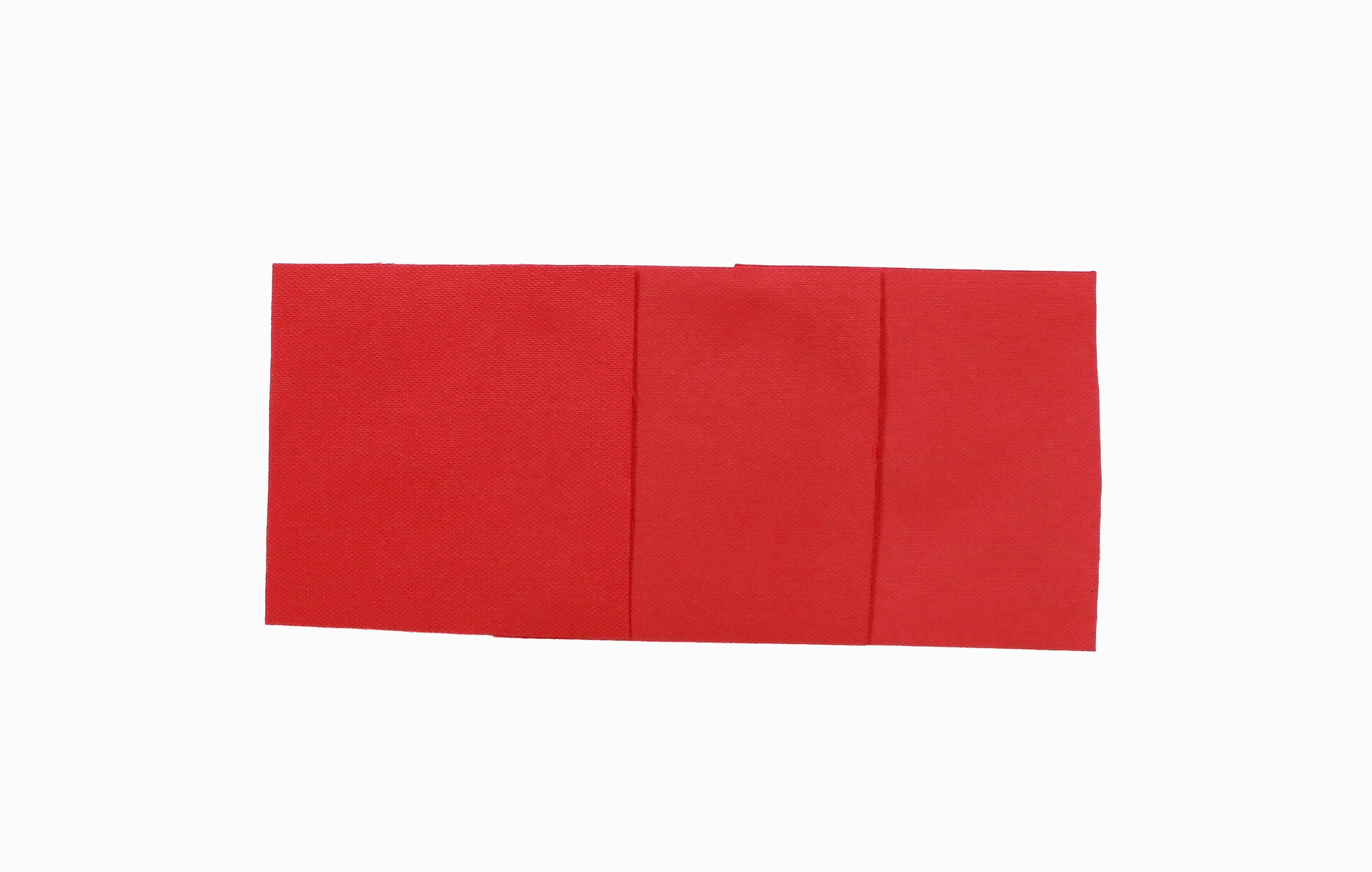
From 1 May 2025 to 30 April 2026, Pirontex® and a conventional tent fabric were tested side by side outdoors at the Zingerle Group headquarters in Naz-Sciaves. Fabric strips taken each month document the colour changes from the unexposed original to the twelfth month.


The result: In the visual comparison, the tested Pirontex® colours remained closer to the unexposed reference sample. The conventional tent fabric showed significantly greater fading and visible changes in shade across several colours.

All colour strips are suspended above RUKU1952 tables to test their weather resistance.

Tested under real weather conditions

How the long-term test was conducted

Samples of both fabrics in the available colours were hung side by side at the test site and exposed continuously to the weather for twelve months. An unexposed sample served as a reference for the original colour.

Each month, a fabric strip was taken from both textiles. This makes it possible to track how the colours developed throughout the entire test period.

Test conditions at a glance

   
Period May 1, 2025–April 30, 2026
Location Zingerle Group headquarters in Naz-Sciaves
Materials compared Pirontex® and conventional Oxford canopy fabric
Documentation One fabric strip removed from each material every month
Reference

One unexposed sample of each color

What weather conditions were the fabrics exposed to?

The following readings from the nearby official Bressanone-Varna weather station provide an overview of the regional conditions during the test period.

  • 365 days

    The fabrics went through a full annual cycle of sun, rainfall, heat and cold.

  • 1,950 hours of sunshine

    Around 1,950 hours of sunshine were recorded during the twelve-month reference period.

  • 720 mm of rainfall

    A total of around 720 mm of rainfall was recorded during the reference period. Rainfall of at least 1 mm was recorded on 87 days.

  • From −10.9 to 36.6 °C

    The reference period therefore covered a temperature range of more than 47 °C.

  • 1,360 kWh of solar energy per square metre

    The average solar energy per square metre indicates how much light and heat the sun delivers to an area of one square metre over the course of a day or year. The recorded value falls within the high range typical of Central Europe.

  • UV Index up to 7.8

    On 104 days, the modelled daily maximum reached at least 6. The UV values serve as a regional reference and were not measured directly at the fabric samples.

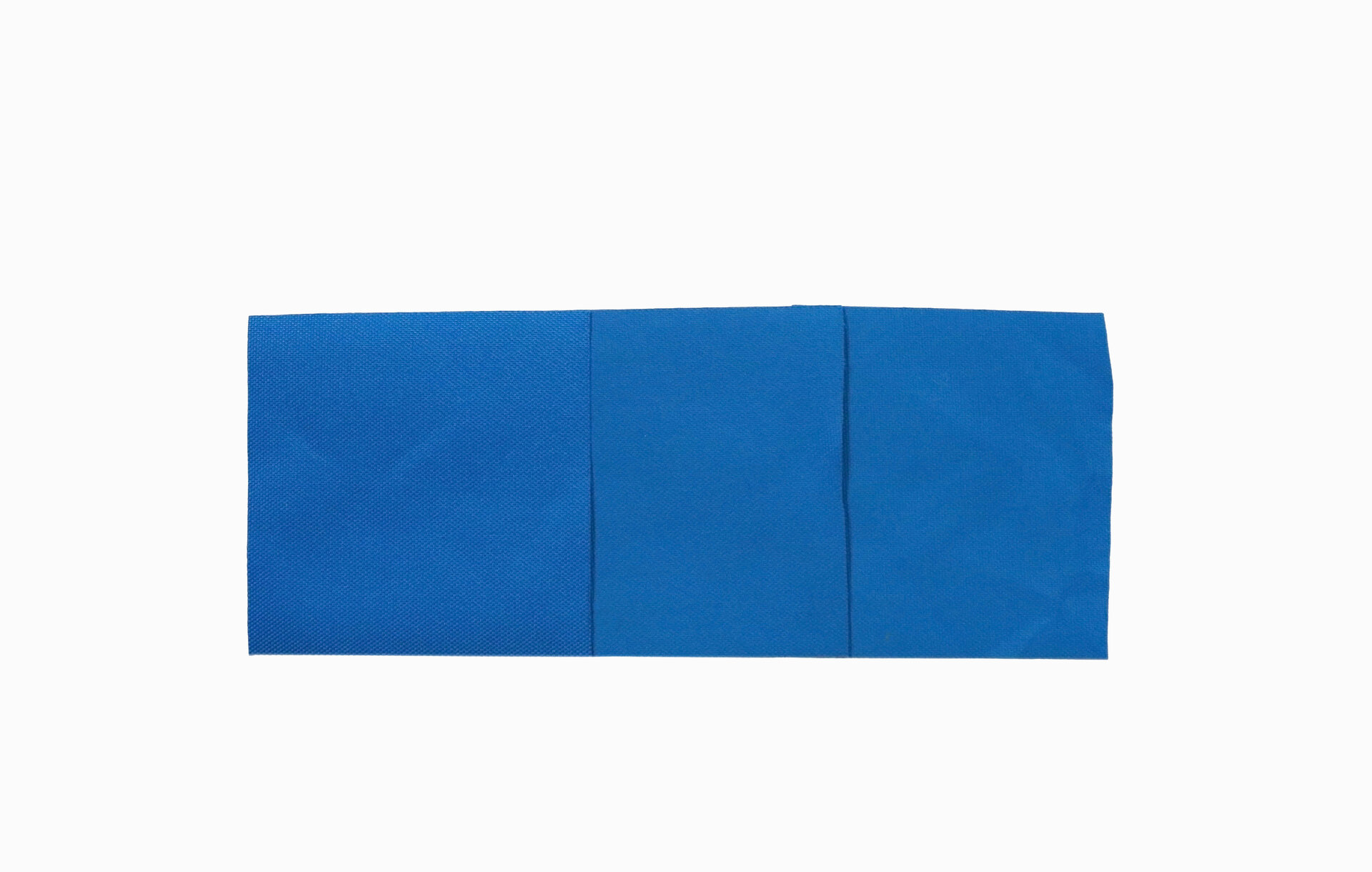
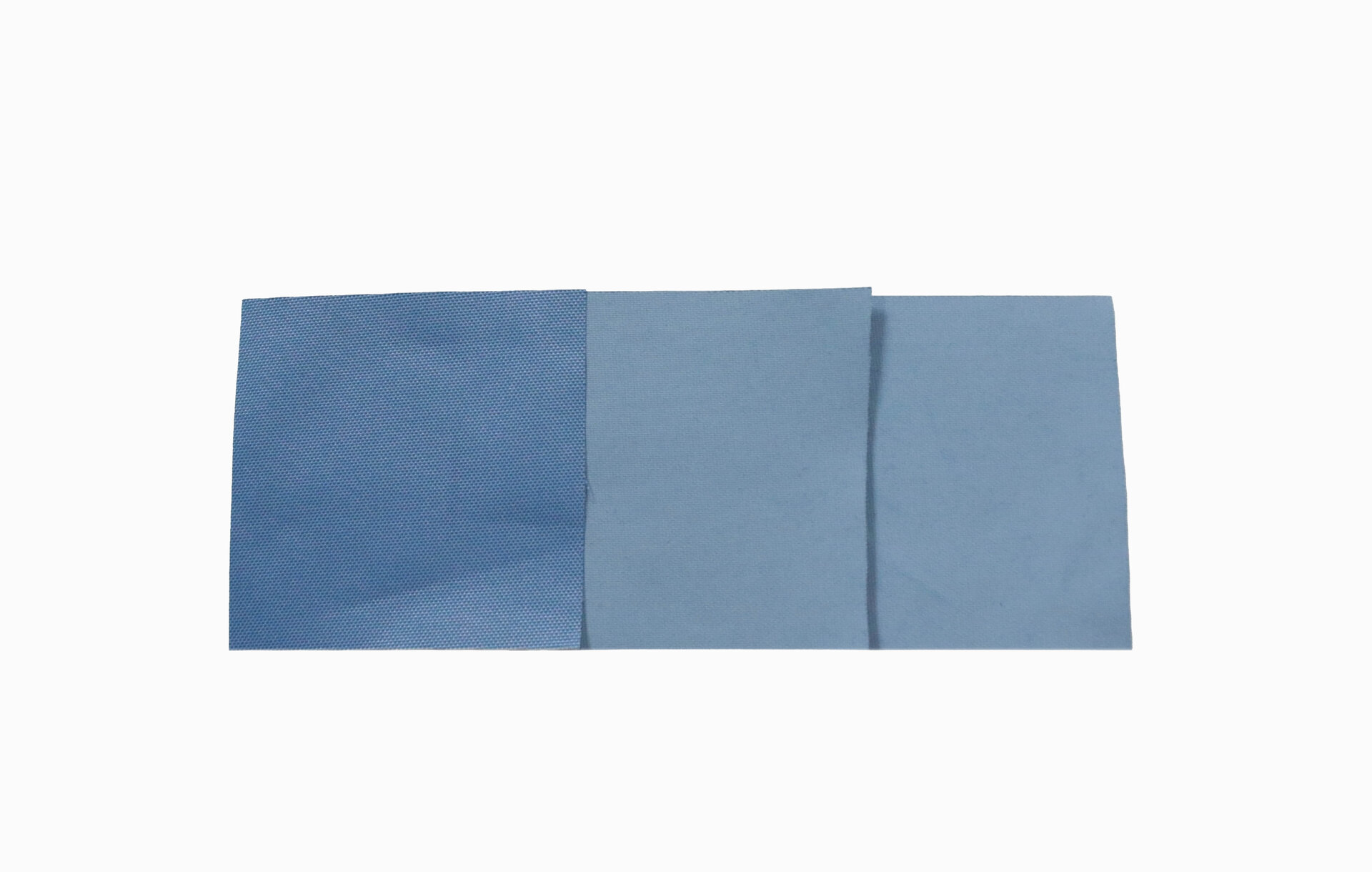
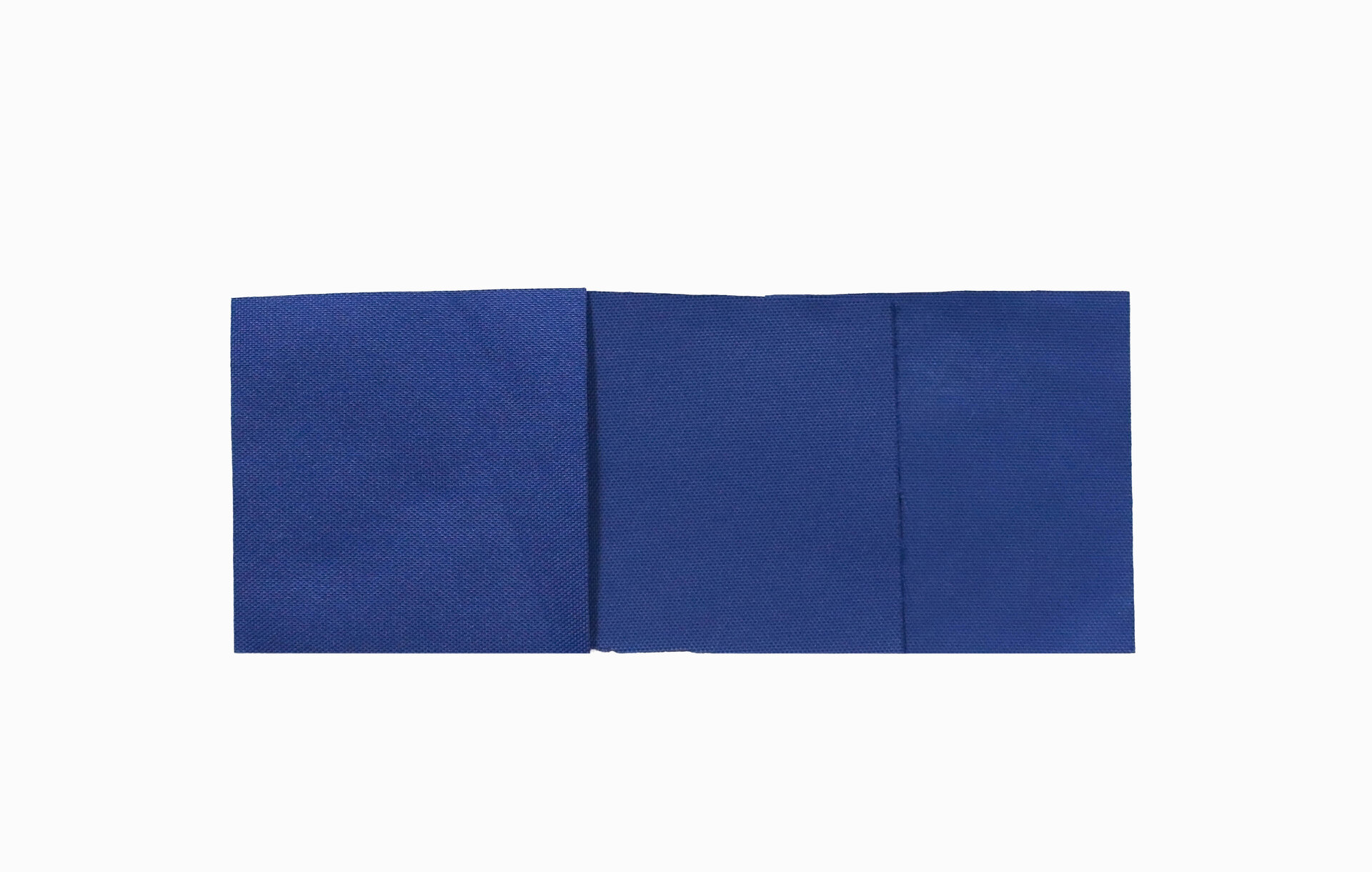
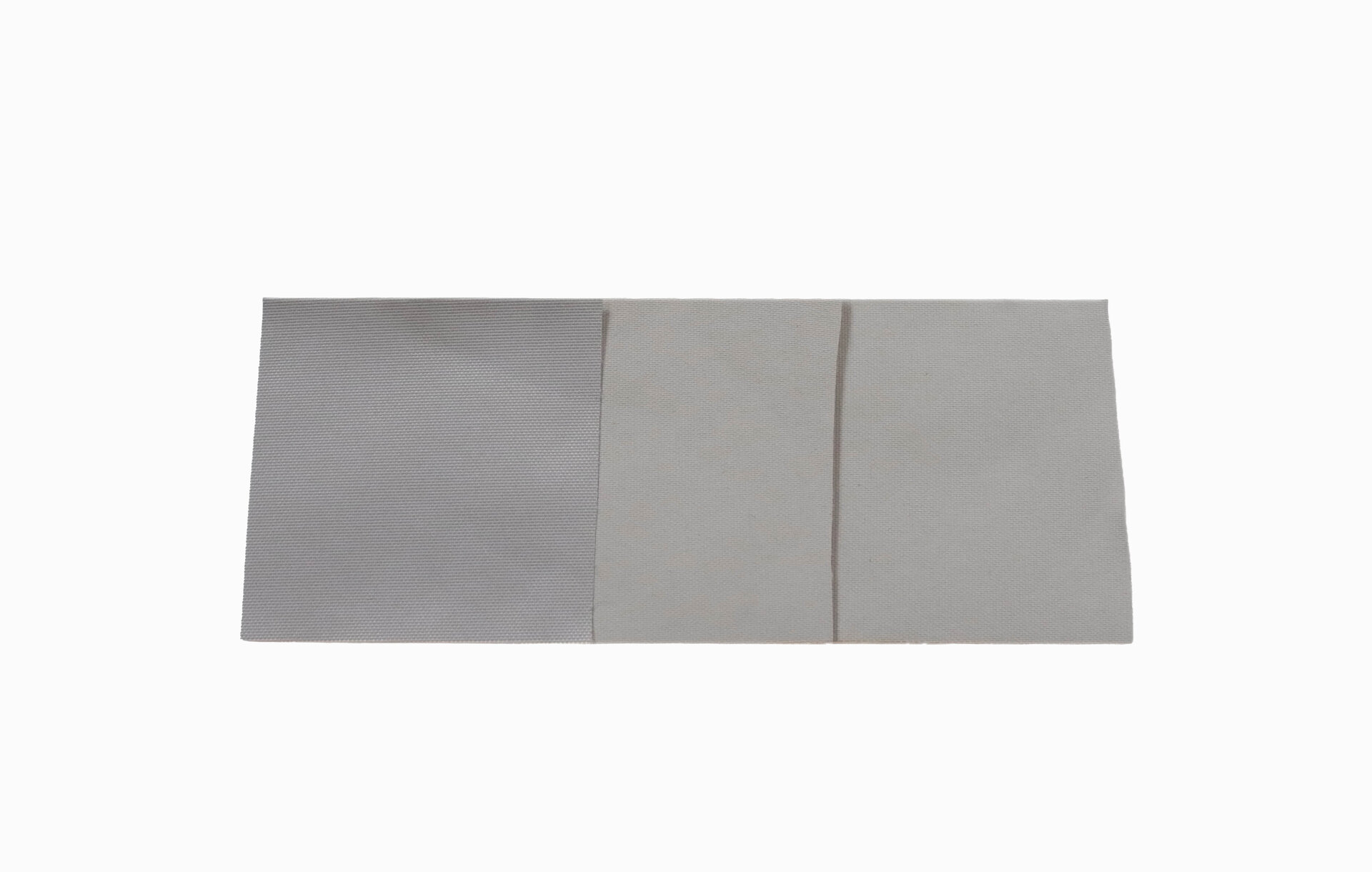
Selection of 12 colours of Oxford gazebo fabric - blue, red, light blue, grey, black, white, green, ecru, burgundy, orange, yellow, anthracite

Documented month by month

The fabric strips taken each month show not only the final result after one year, but also how the colours developed throughout the test period. Three key points in time are highlighted for direct comparison:

Original colour: The unexposed reference sample shows the original shade.

After six months outdoors: The fabric sample had been exposed to sun, rainfall and changing temperatures for six months.

After twelve months outdoors: The final fabric sample shows the colour change at the end of the test period.

The result after twelve months


Pirontex® remains closer to the original colour

In the visual comparison, the conventional tent fabric showed more noticeable changes across several shades. Pirontex® remained closer to the unexposed reference sample throughout the tested colour range.

The fabric strips taken each month show when the changes began and how they developed over the course of the year.

Why Pirontex® retains its colour for longer

Colour fastness starts in the yarn

In Pirontex®, new and recycled polyester polymers are mixed with colour pigments before being processed into yarn. This means the colour is not only on the surface of the finished fabric, but runs throughout the yarn.

Known as Solution Dyeing, this process contributes to the fabric’s high colour fastness and makes Pirontex® resistant to intense sunlight, moisture and long periods of exposure.


Verified light fastness

Pirontex® achieves a light fastness rating of 7 to 8 on a scale with a maximum of 8, in accordance with DIN EN ISO 105-B02.

The documented long-term test supplements this standardised value with a clear comparison under real weather conditions.

Blue gazebo fabric with large drops of water.

More than just colourfast

Pirontex® achieves a water column of 5,000 mm and fire classification B-s1,d0. Its dense weave and special coating also make the fabric resistant to water, dirt and repeated use.

A professional appearance that lasts

The high colour fastness helps the unprinted base colours of the roof and sidewalls remain closer to their original shade over time.

A black  folding gazebo stands at a market. It has a printed roof, sidewalls and a counter. It has two printed flags and is secured to the ground with weights.

Designed for the Mastertent system

The elastic, shape-retaining fabric adapts to the aluminium structure of the folding gazebo. The fabric and structure form a coordinated system for frequent set-ups and long-term use.

Configure Pirontex® in 13 colours

Pirontex® is available in 13 colours. Choose the right shade and add your logo, lettering or custom artwork if required.


UV protection 50+
UV protection 50+
Certified fabric with maximum UV protection: UPF > 50
Long-lasting
Long-lasting
Robust professional quality for frequent assembly and dismantling and many years of reliable use
Customisable
Customisable
Colours, fabrics, roof shape and printing can all be customised
Covered for the long term
Lifetime corrosion guarantee on aluminium parts, five-year guarantee on the structure and 15-year spare parts availability
Frequently asked questions about the long-term test

Pirontex® and a conventional tent fabric (Oxford) were compared. The available colours of both materials were tested under the same conditions.

The fabric samples were hung side by side outdoors for twelve months. Each month, a strip was taken from both fabrics. An unexposed sample served as a reference for the original colour.

In the visual comparison, Pirontex® remained closer to the unexposed reference sample throughout the tested colour range. The conventional tent fabric showed more noticeable changes across several colours.
 

The sunshine duration, rainfall, global radiation and temperature figures are based on readings from the nearby Brixen–Vahrn weather station. The UV Index was modelled for the location. The figures serve as regional reference values.

Data basis: Readings from the official Bressanone-Varna weather station, station code 39100MS, operated by the Autonomous Province of Bolzano – South Tyrol. Global radiation and temperature were evaluated using the data provided for the reference period from 1 May 2025 to 30 April 2026. The UV Index is based on modelled data from the Open-Meteo Historical Forecast API for the location of the Zingerle Group headquarters.

Pirontex® is produced using the Solution Dyeing process. The colour pigments are mixed with the polyester polymers before the yarn is produced. As a result, the colour runs throughout the yarn rather than remaining only on the surface of the fabric.

Get expert advice right away
From initial enquiry to the perfect configuration. Our experts provide personal, one-to-one support with professional advice and rapid response times to help you find your ideal setup.
  • Available: Mon-Fri / 9:00 am - 5:00 pm.
  • Dedicated Specialist: Always speak with the same person for a consistent, personalised experience.
  • Rapid Quotes: Bespoke proposals processed within 24 hours on working days.
  • Unrivalled Expertise: Decades of experience in the world of professional pop-up gazebos.