Canopy Tent Fabrics Put to the Test

12 Months of Sun, Rain, Heat, and Cold

Pirontex® vs. Conventional Canopy Fabric

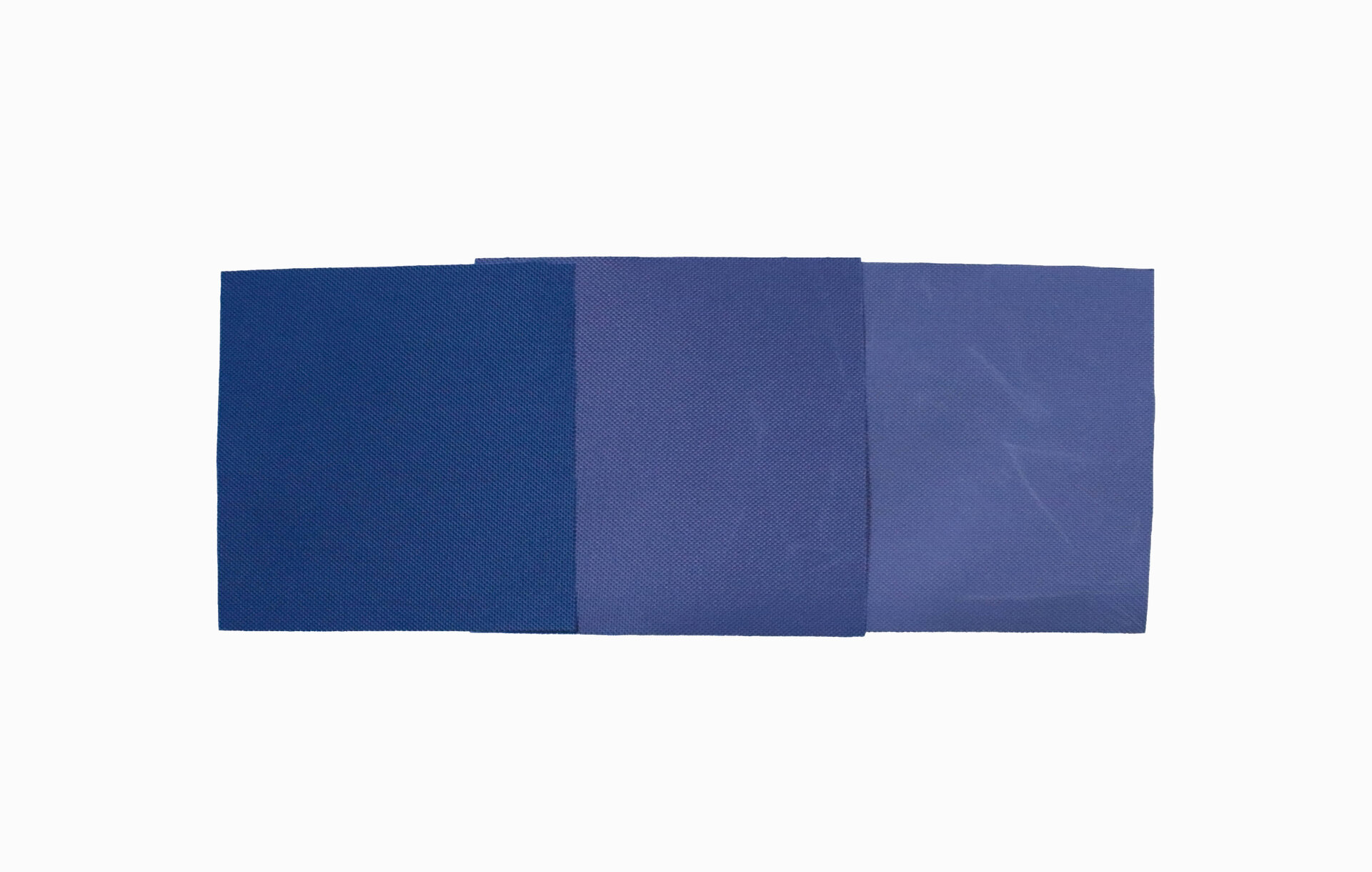
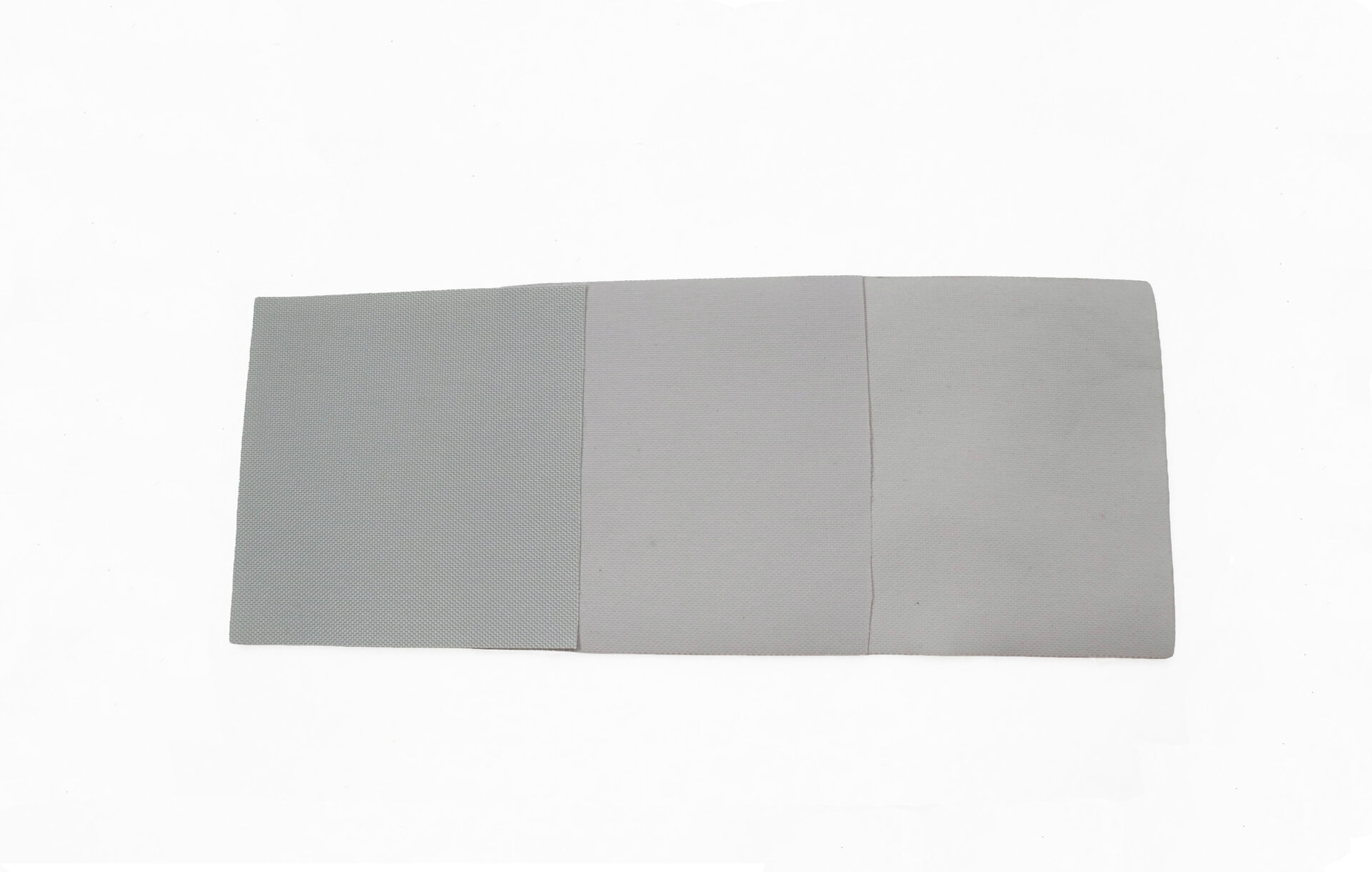
From May 1, 2025, through April 30, 2026, samples of Pirontex® and conventional Oxford fabric were displayed outdoors at the Zingerle Group headquarters in Naz-Sciaves.

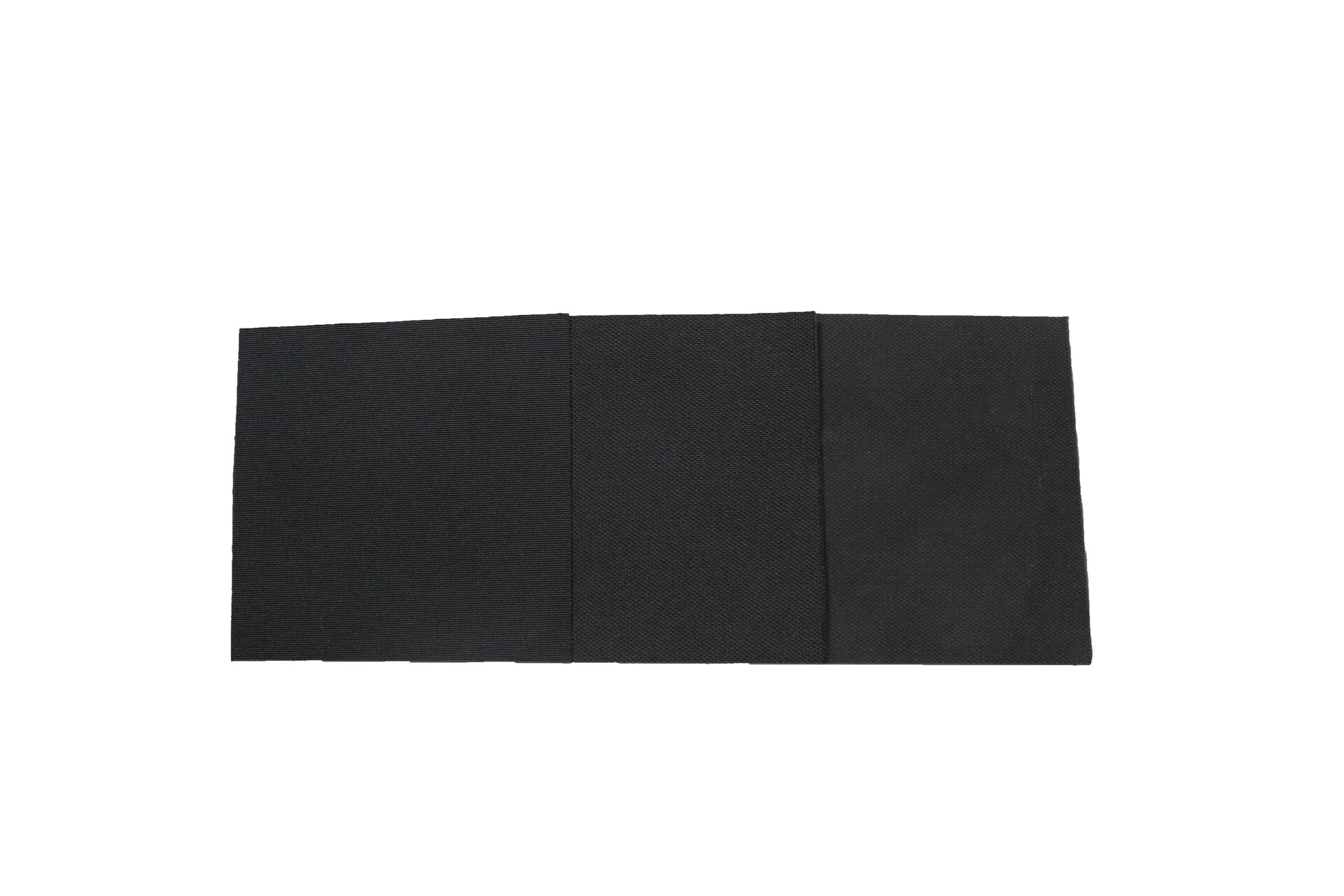
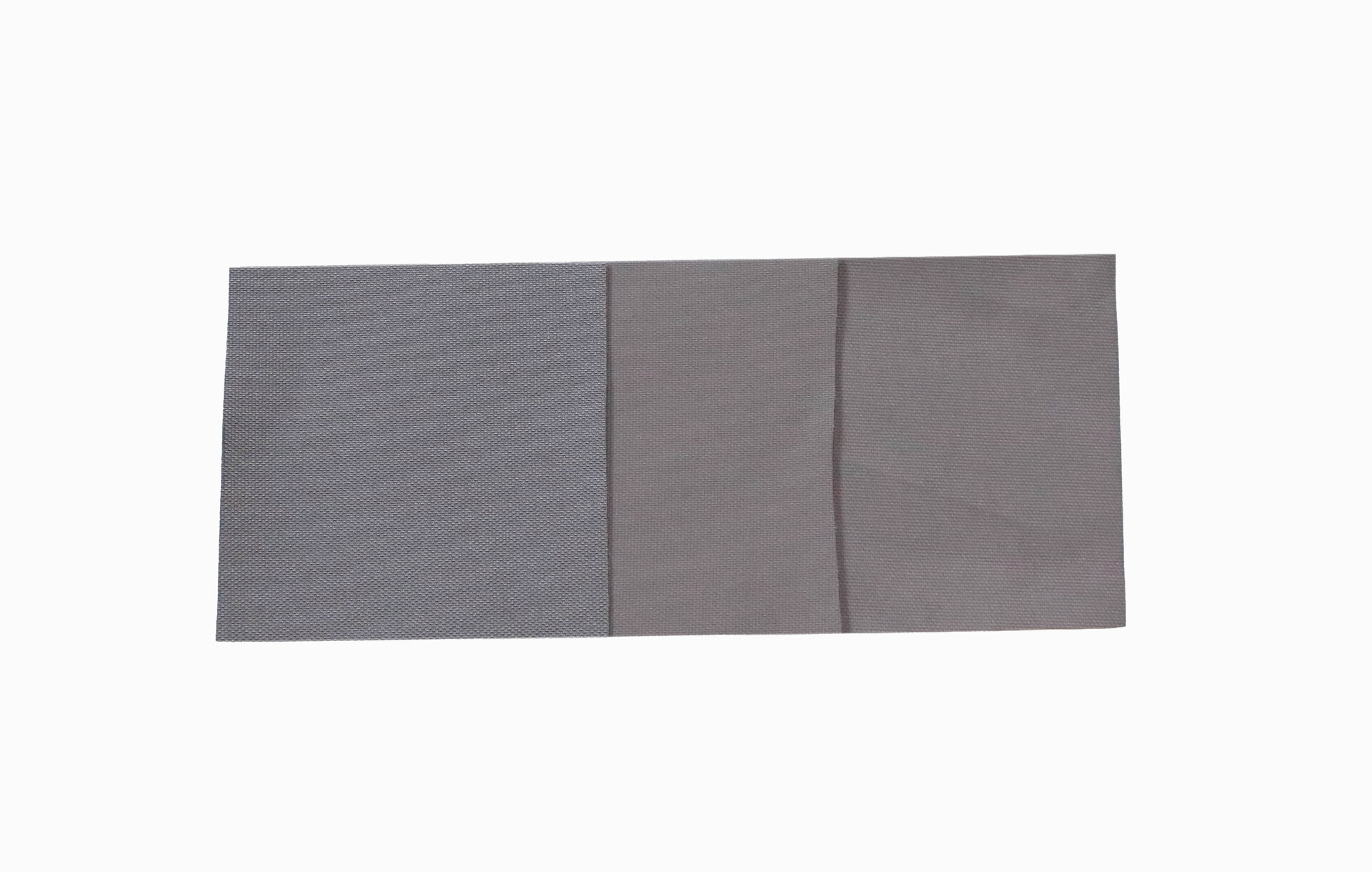
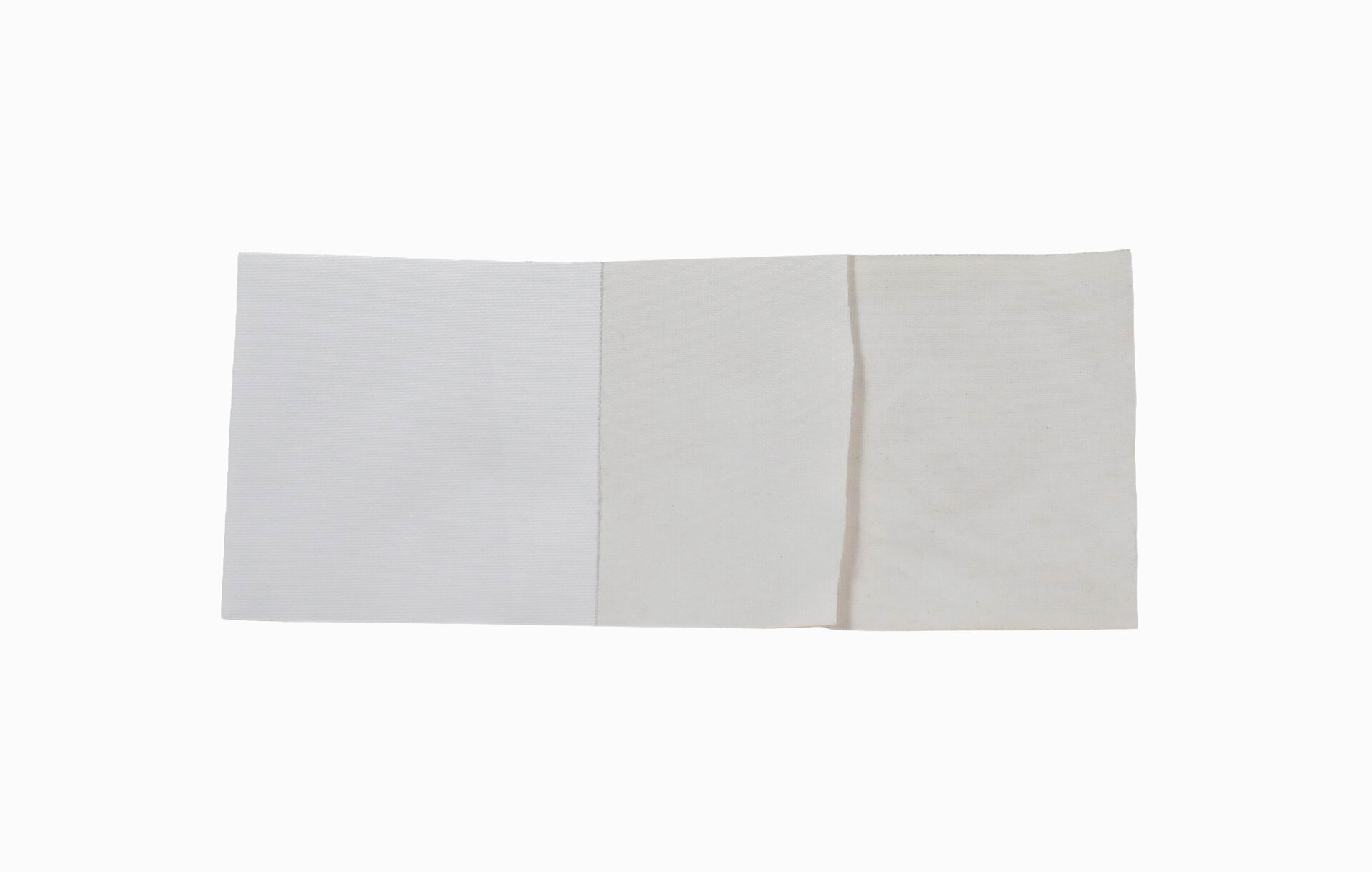
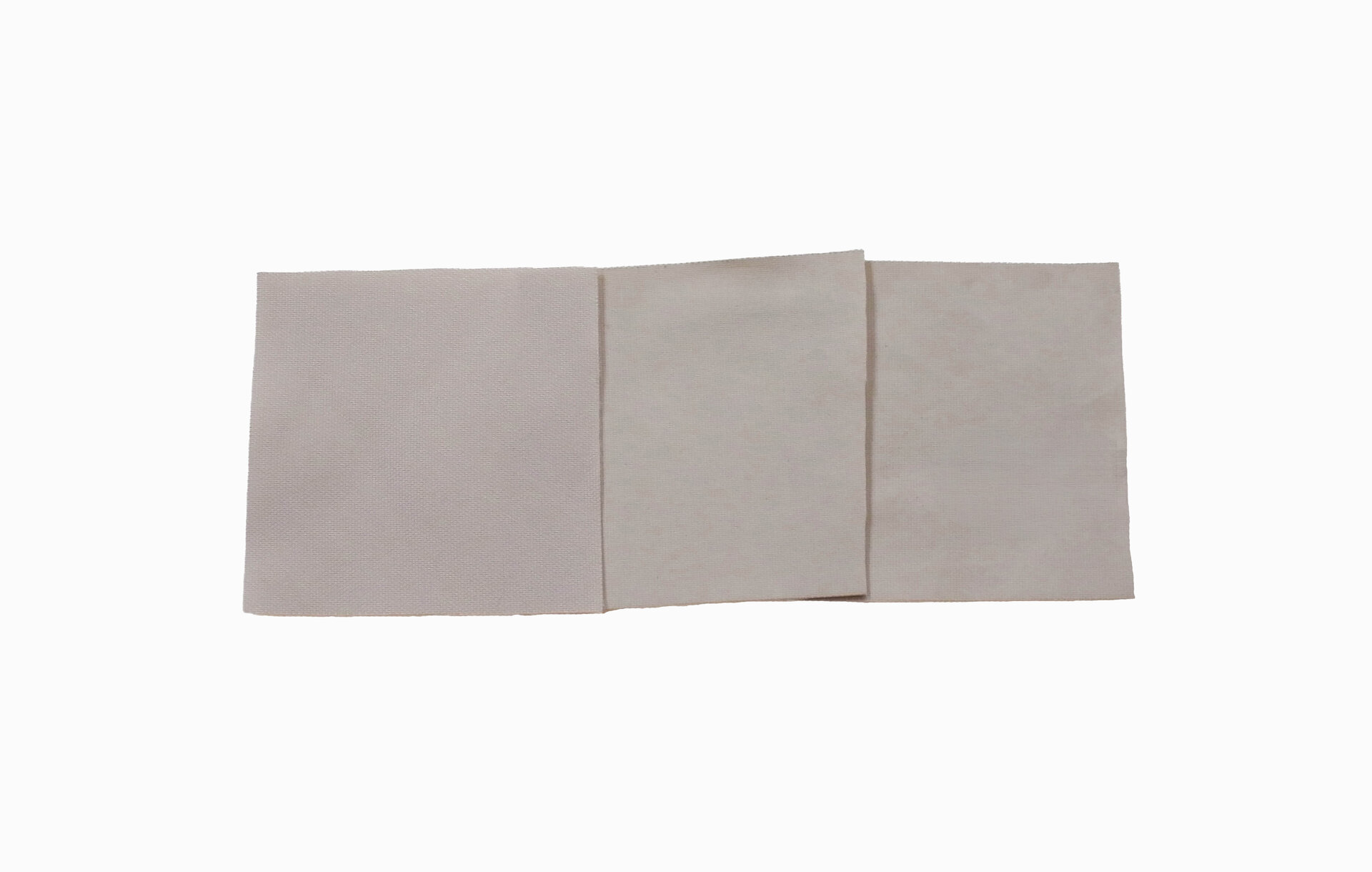
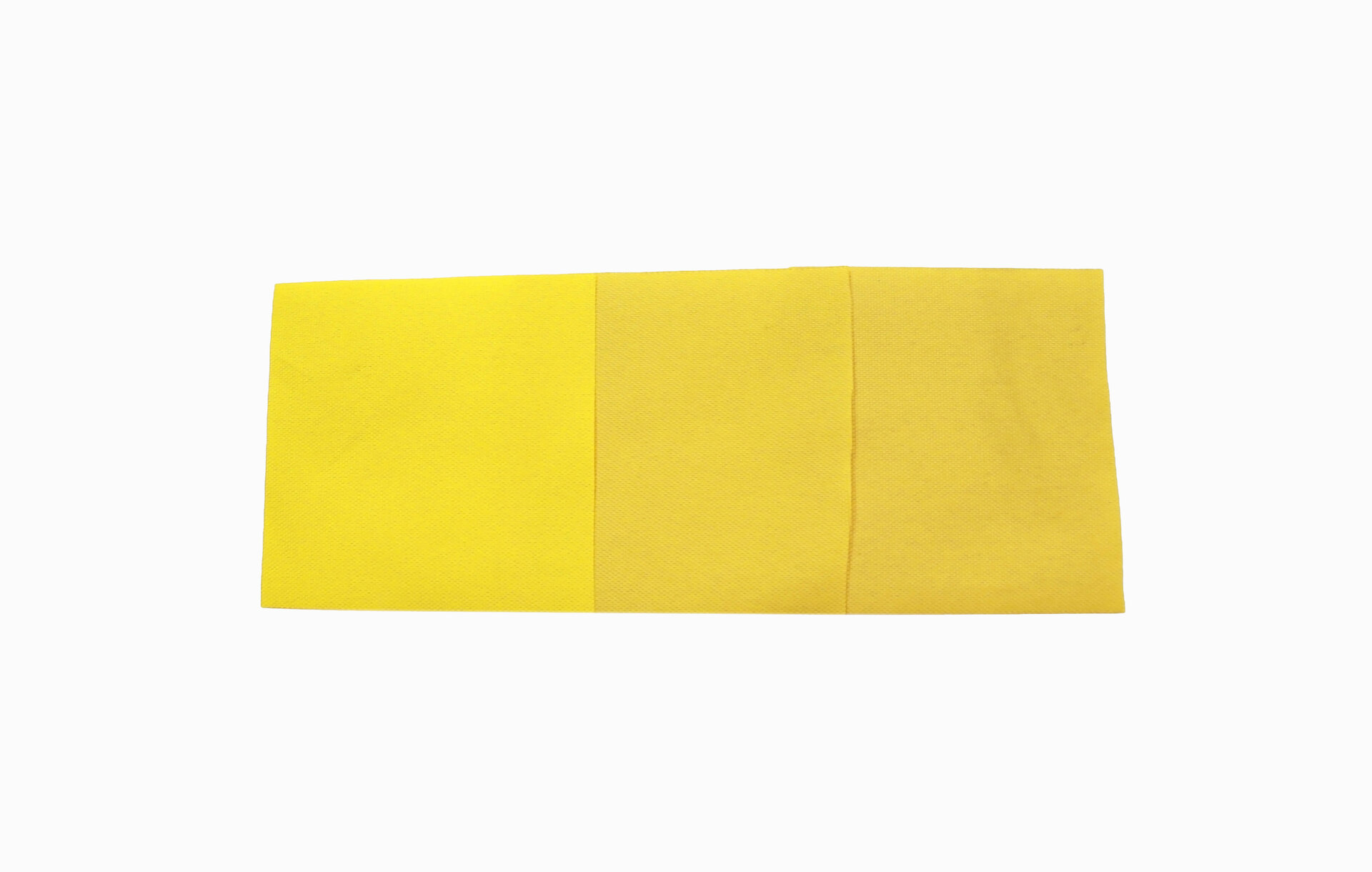
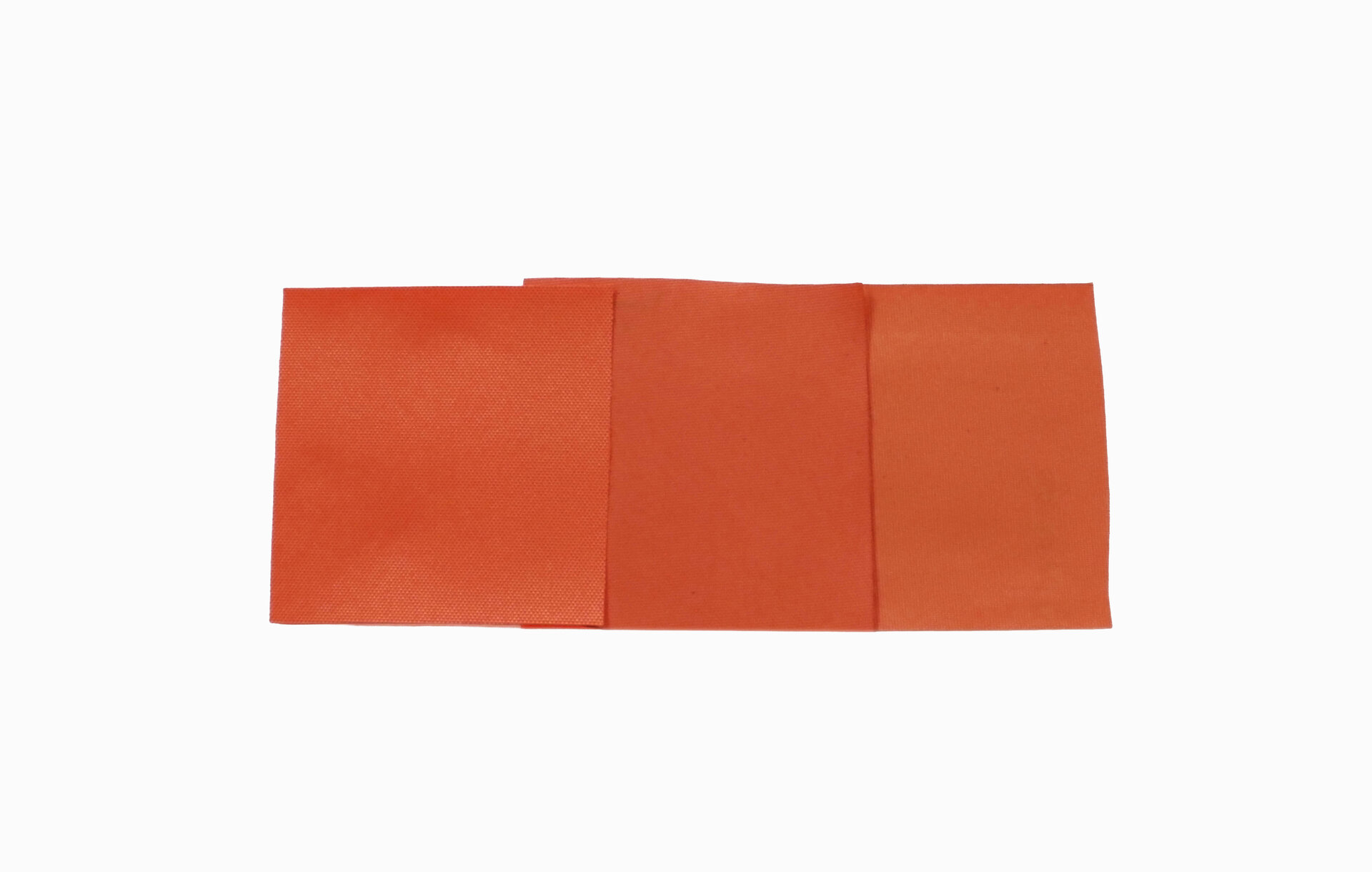
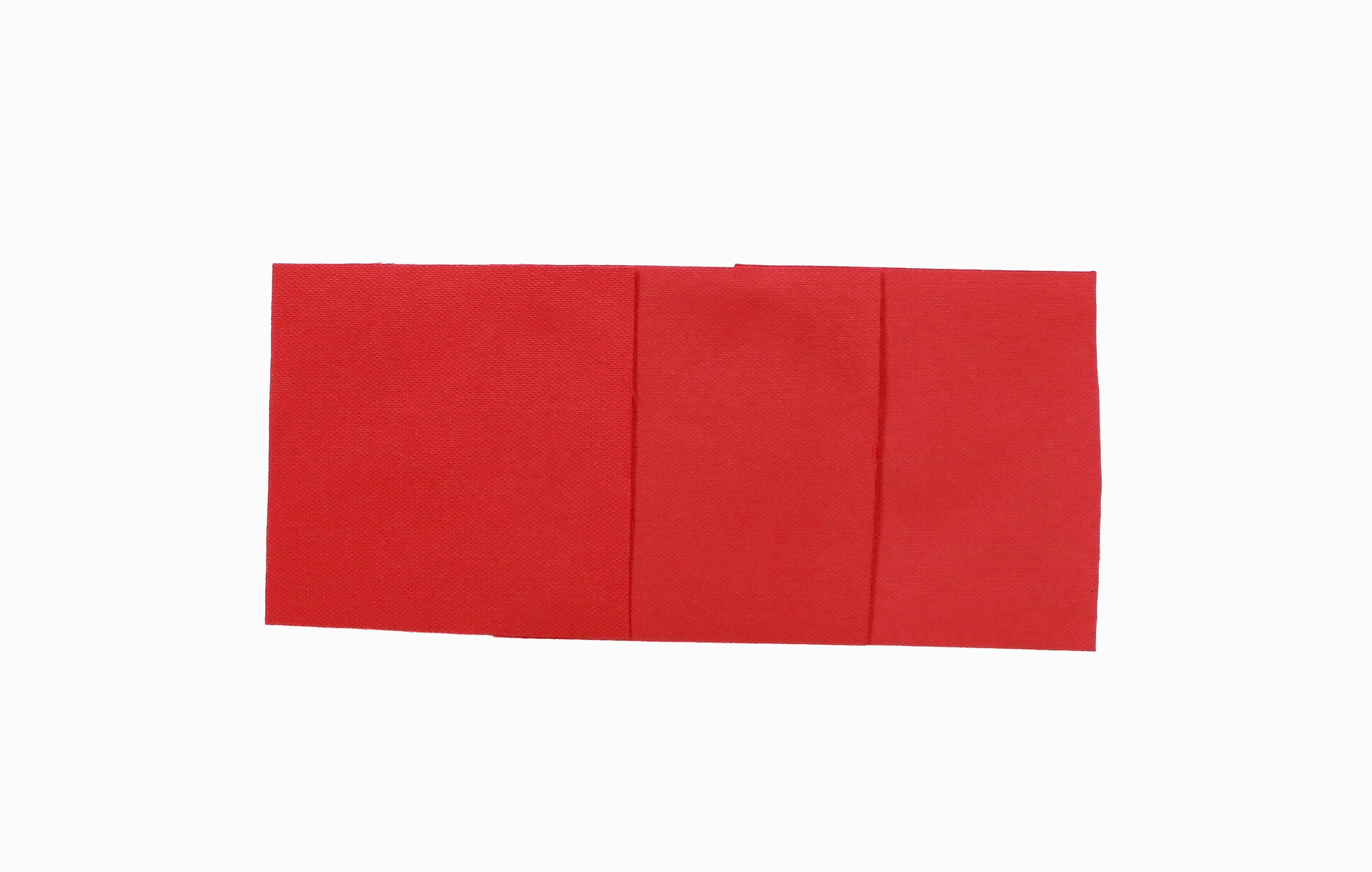
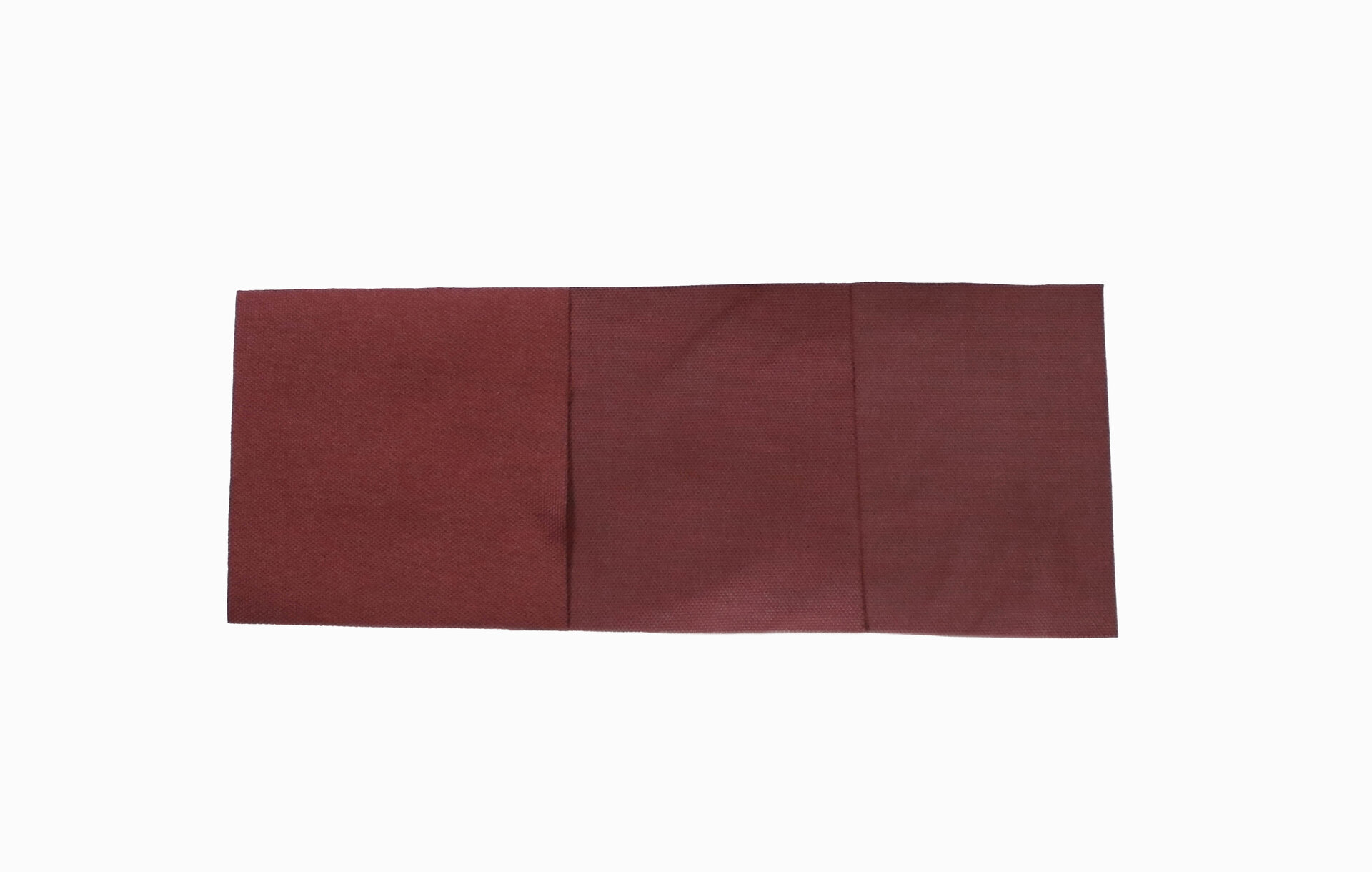
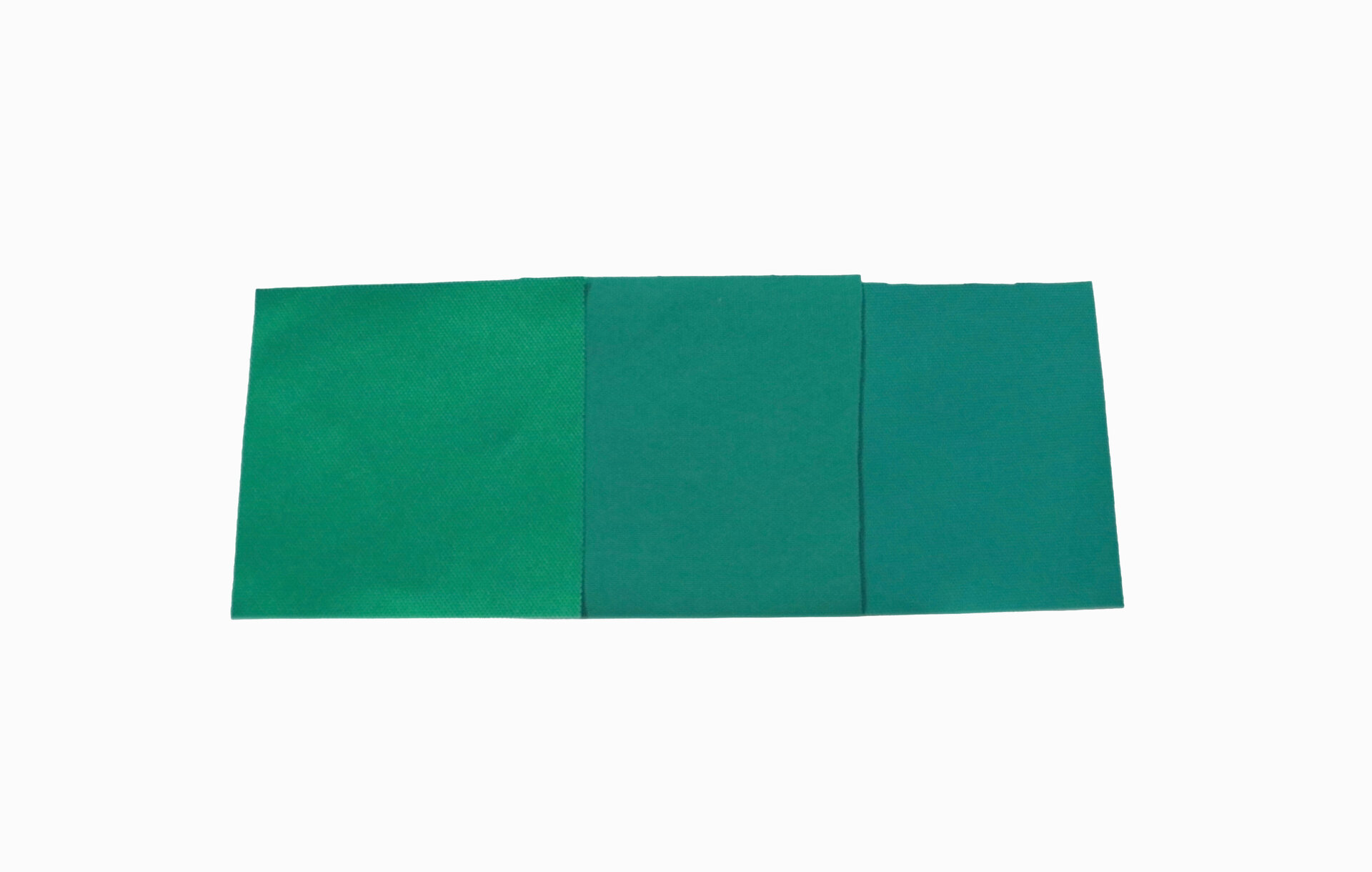
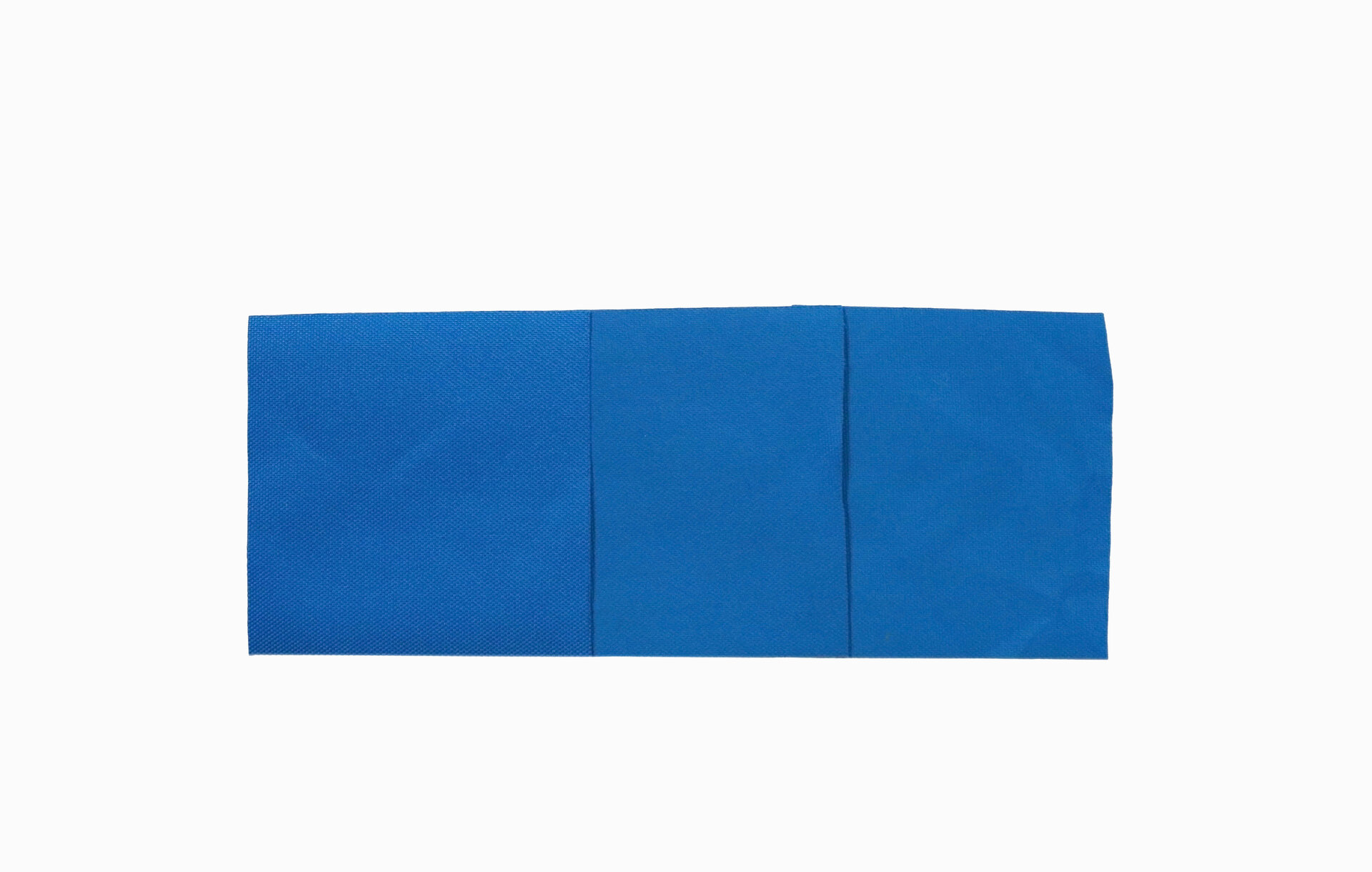
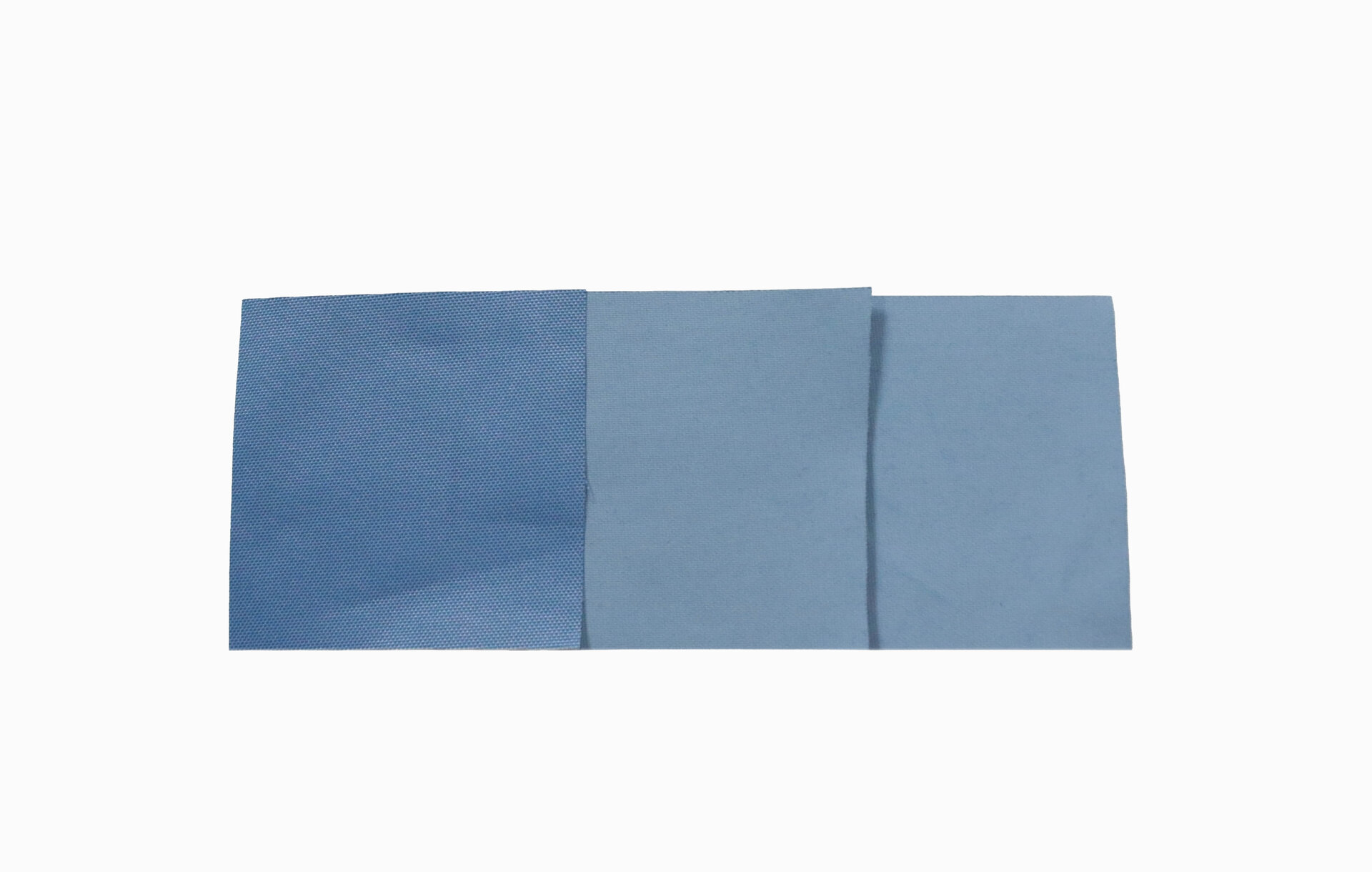
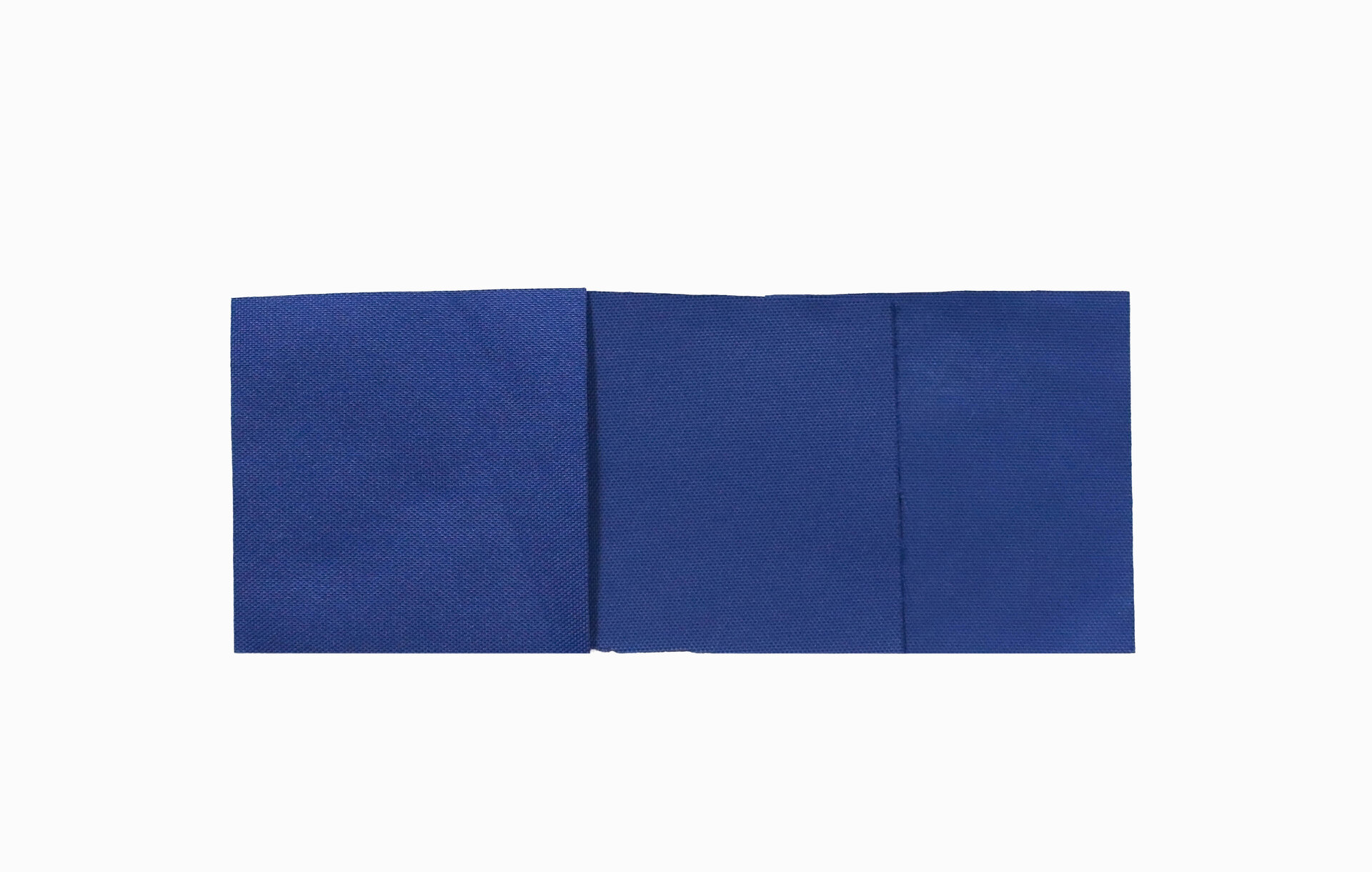
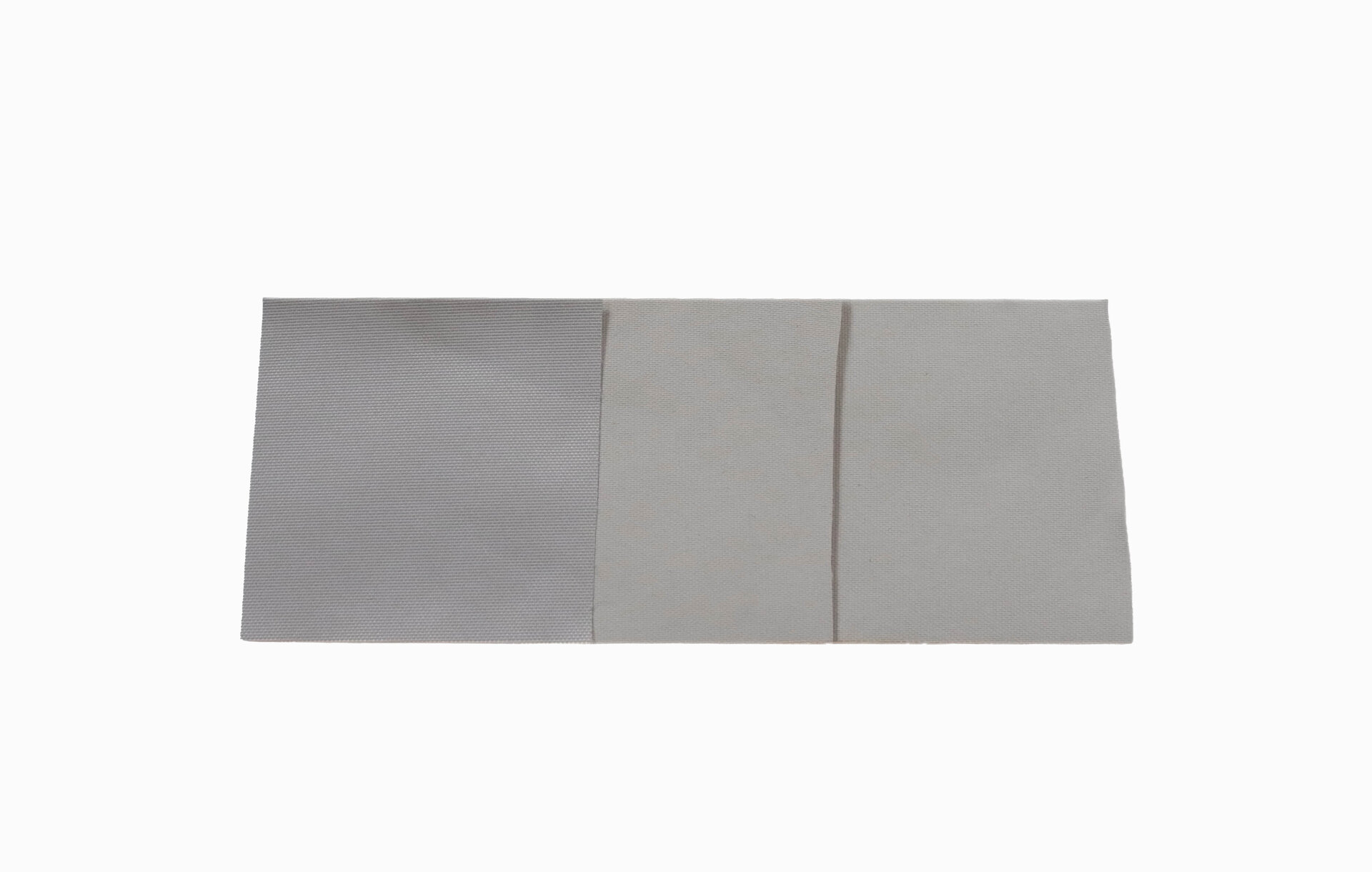
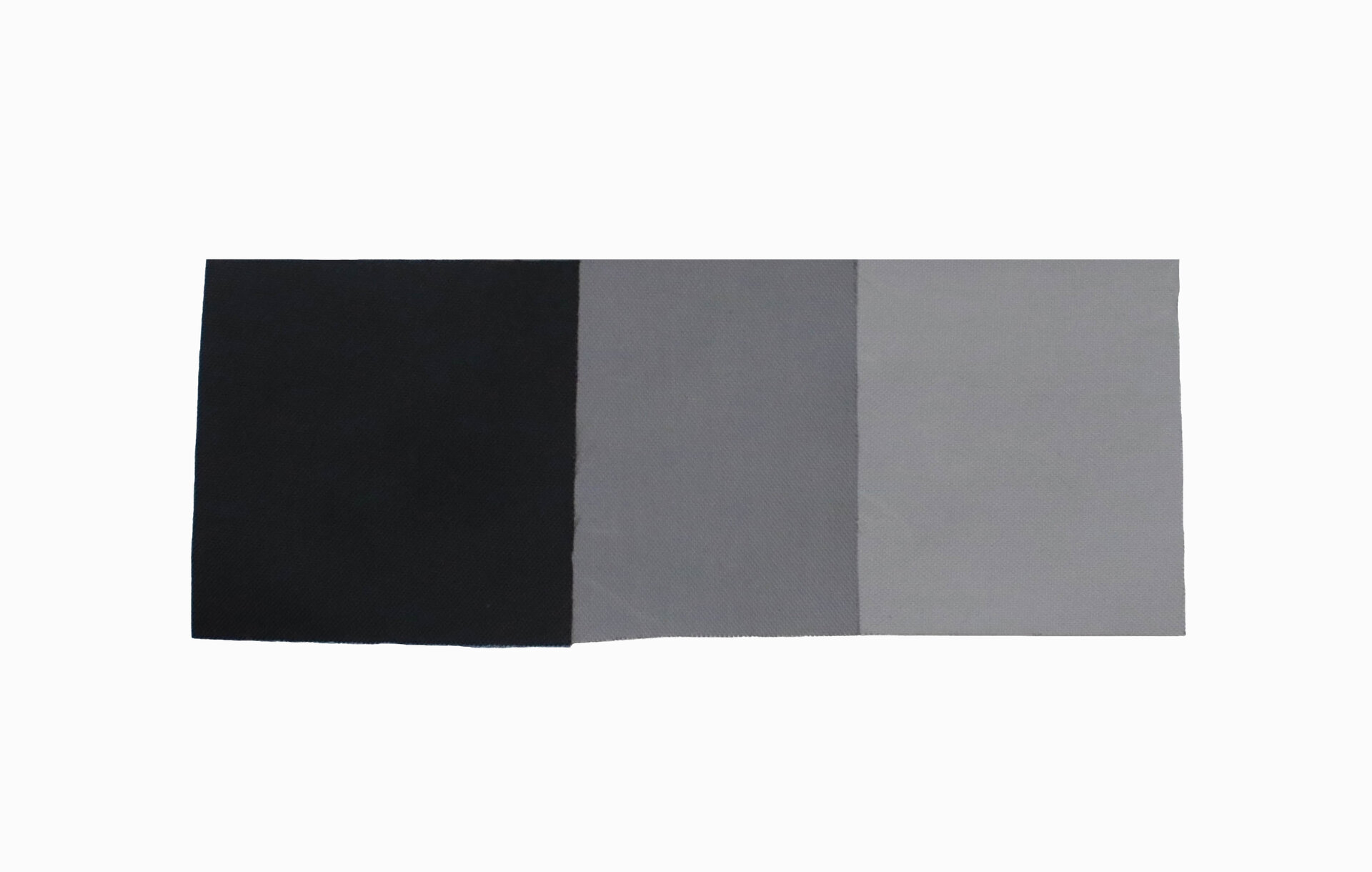
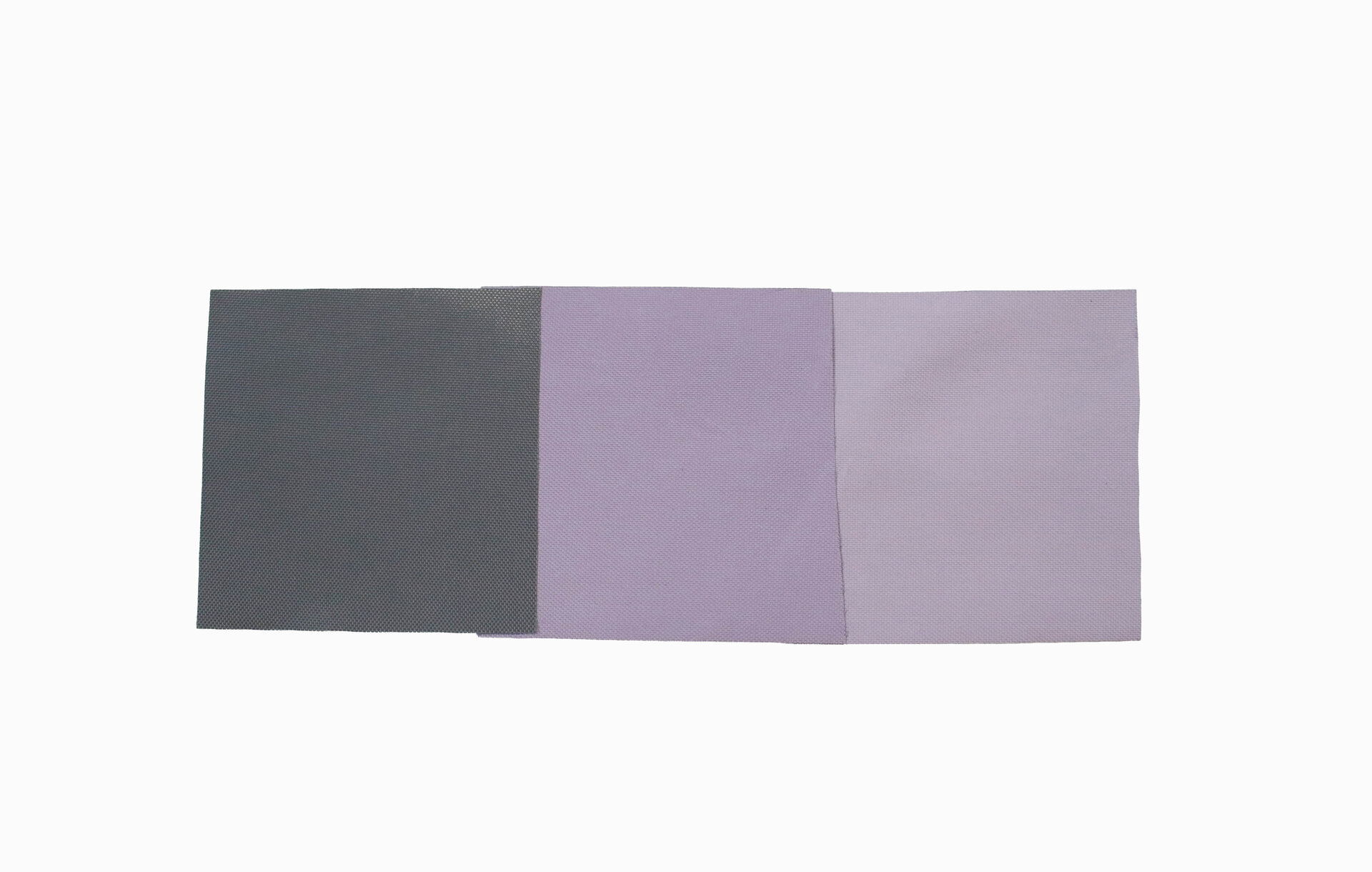
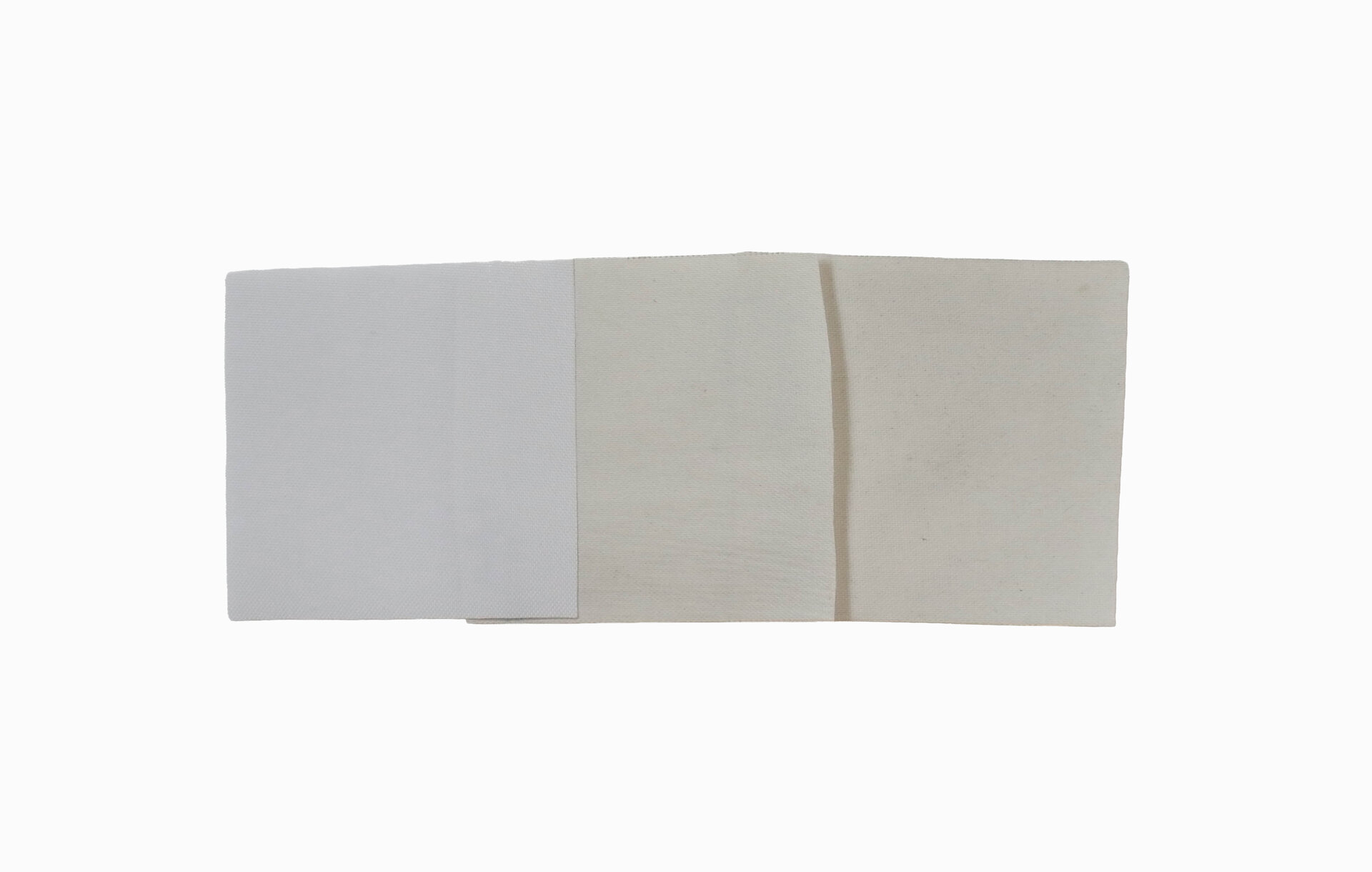
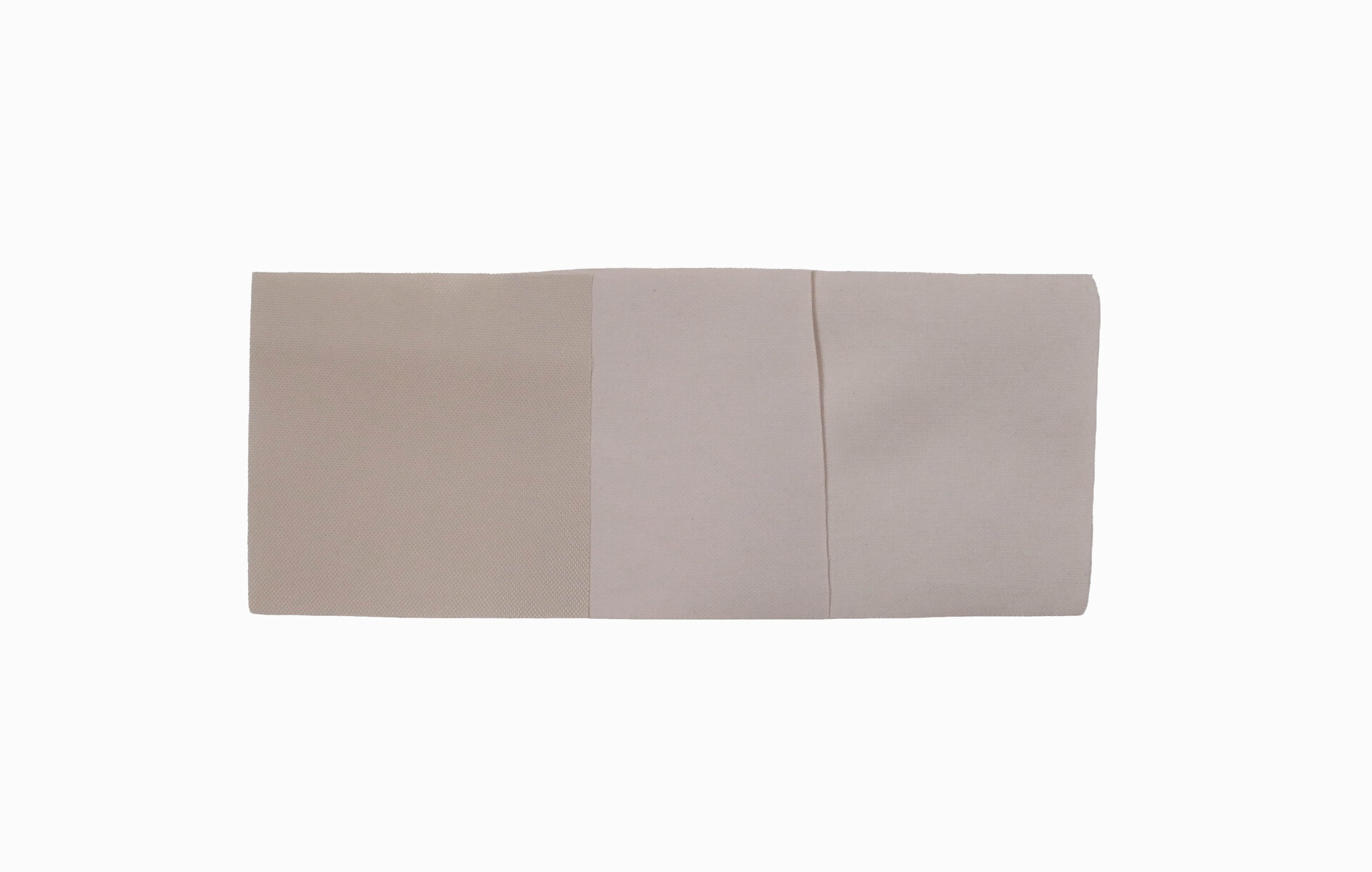
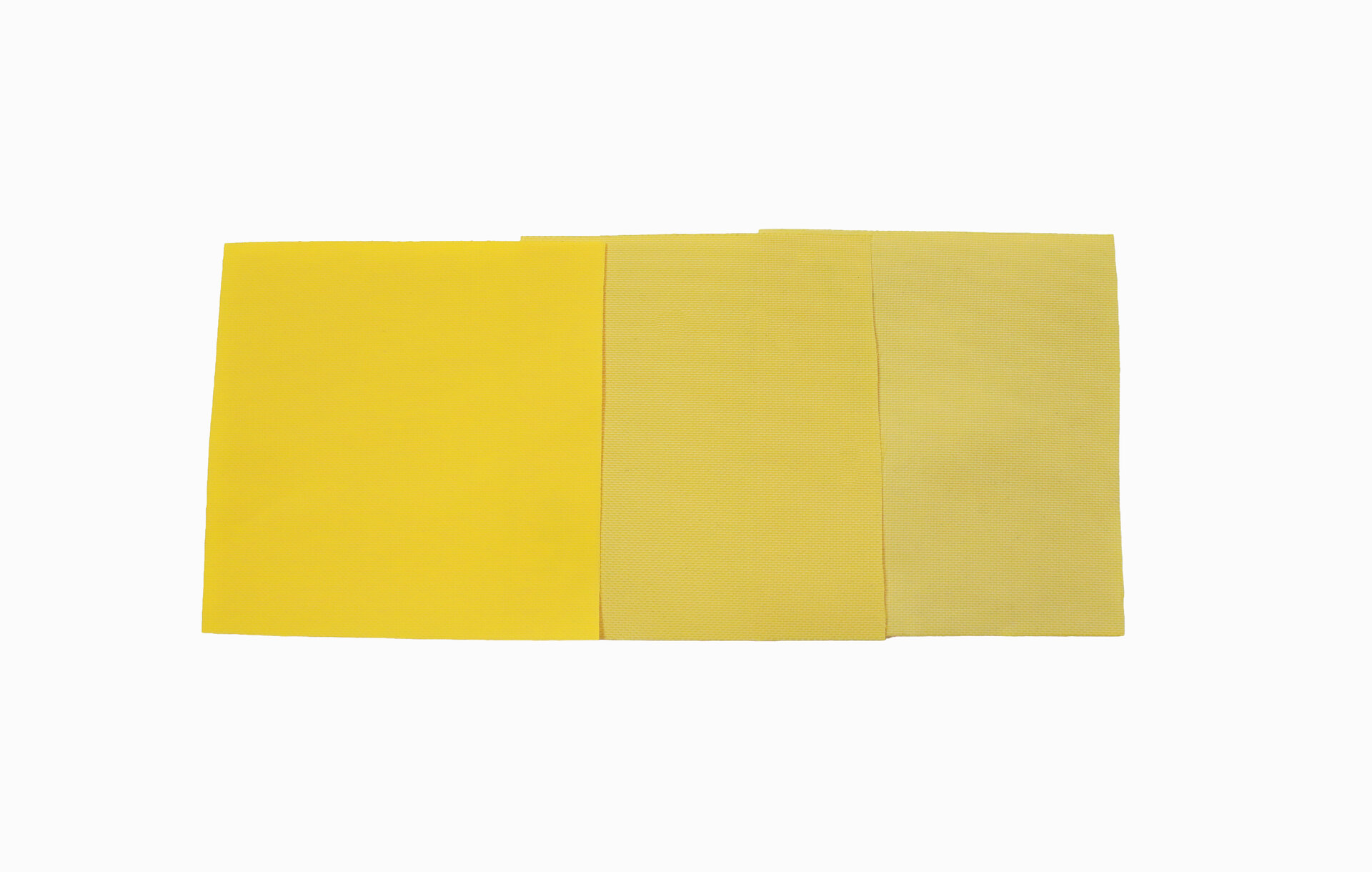
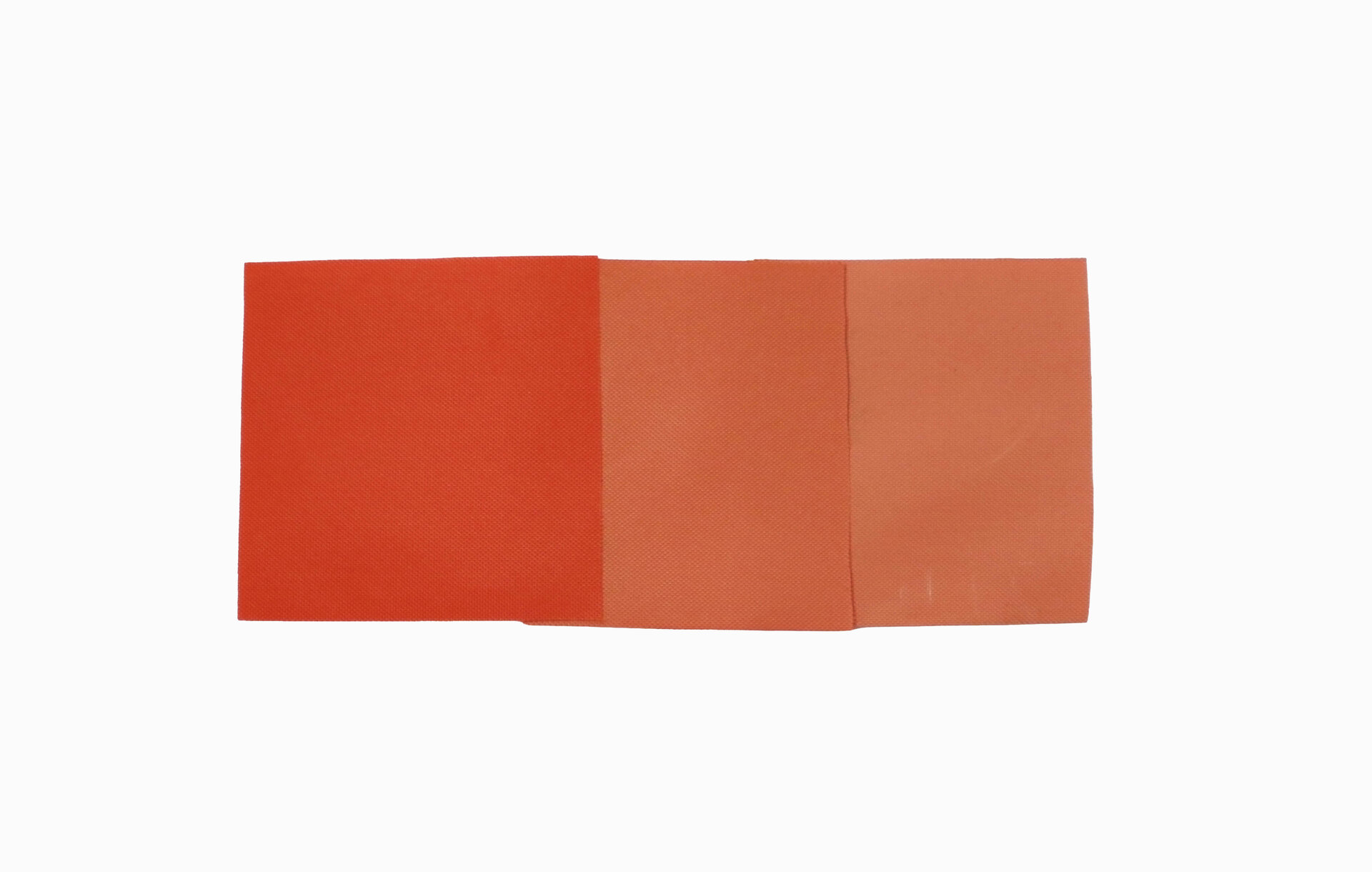
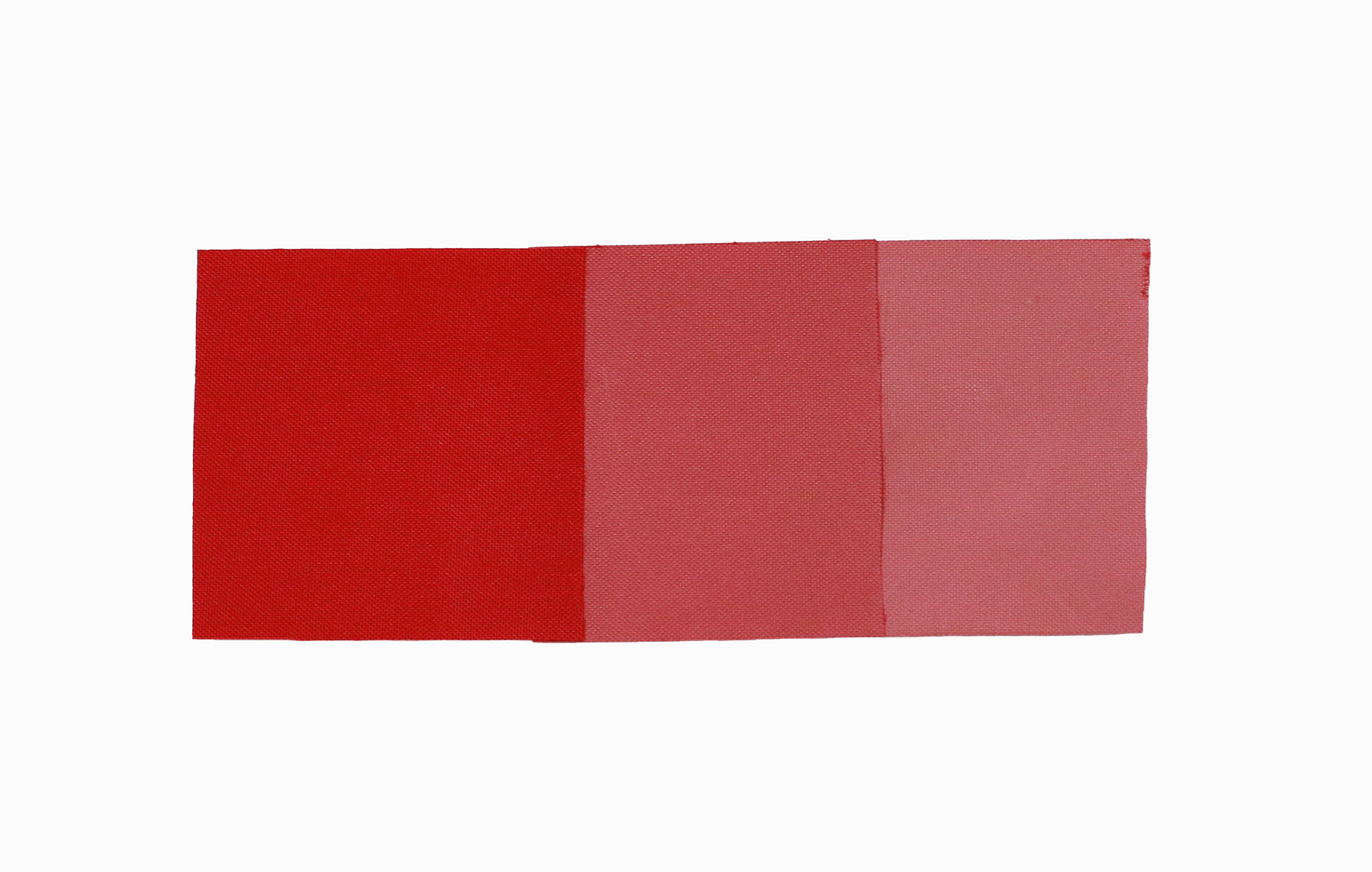
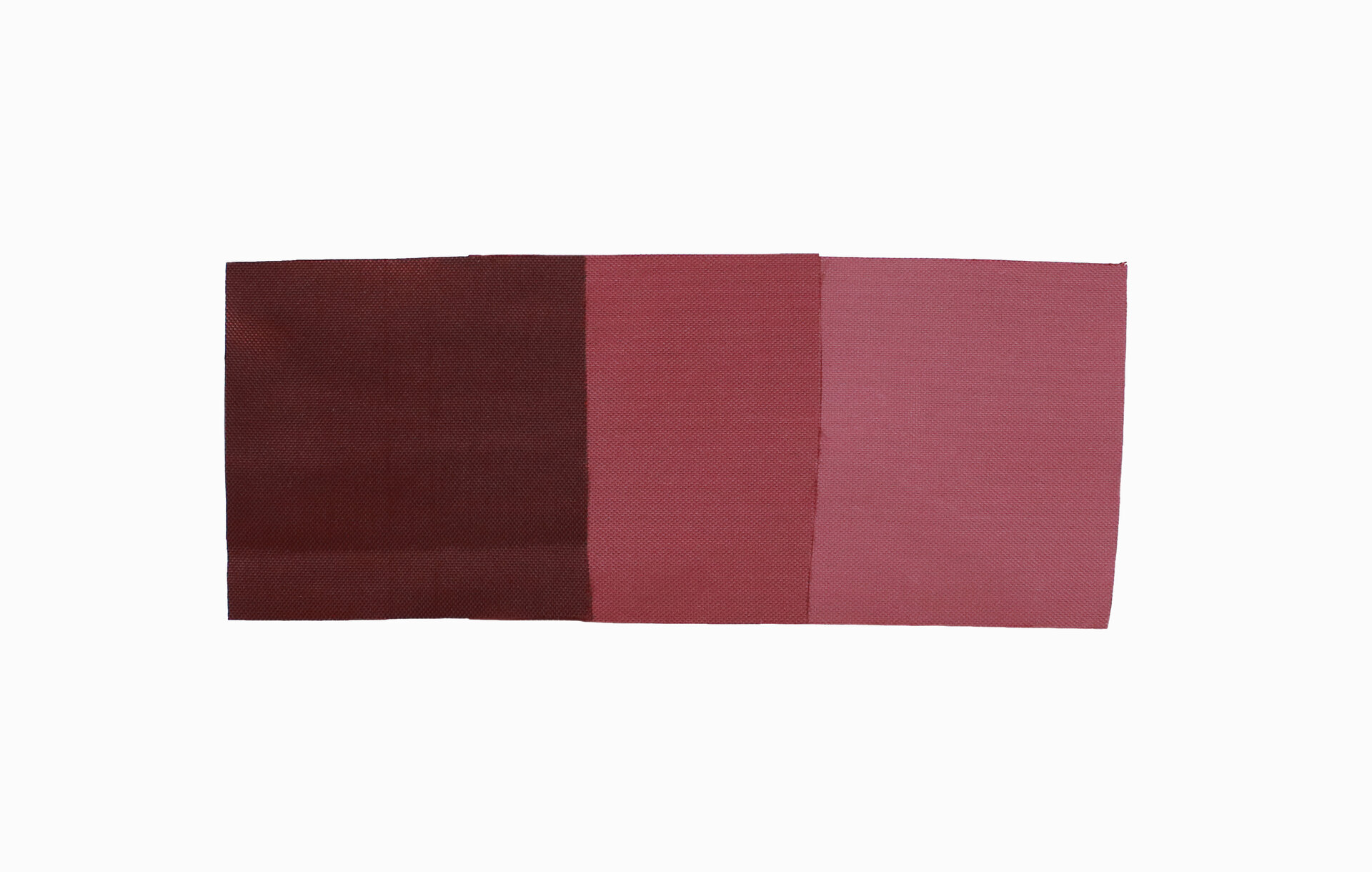
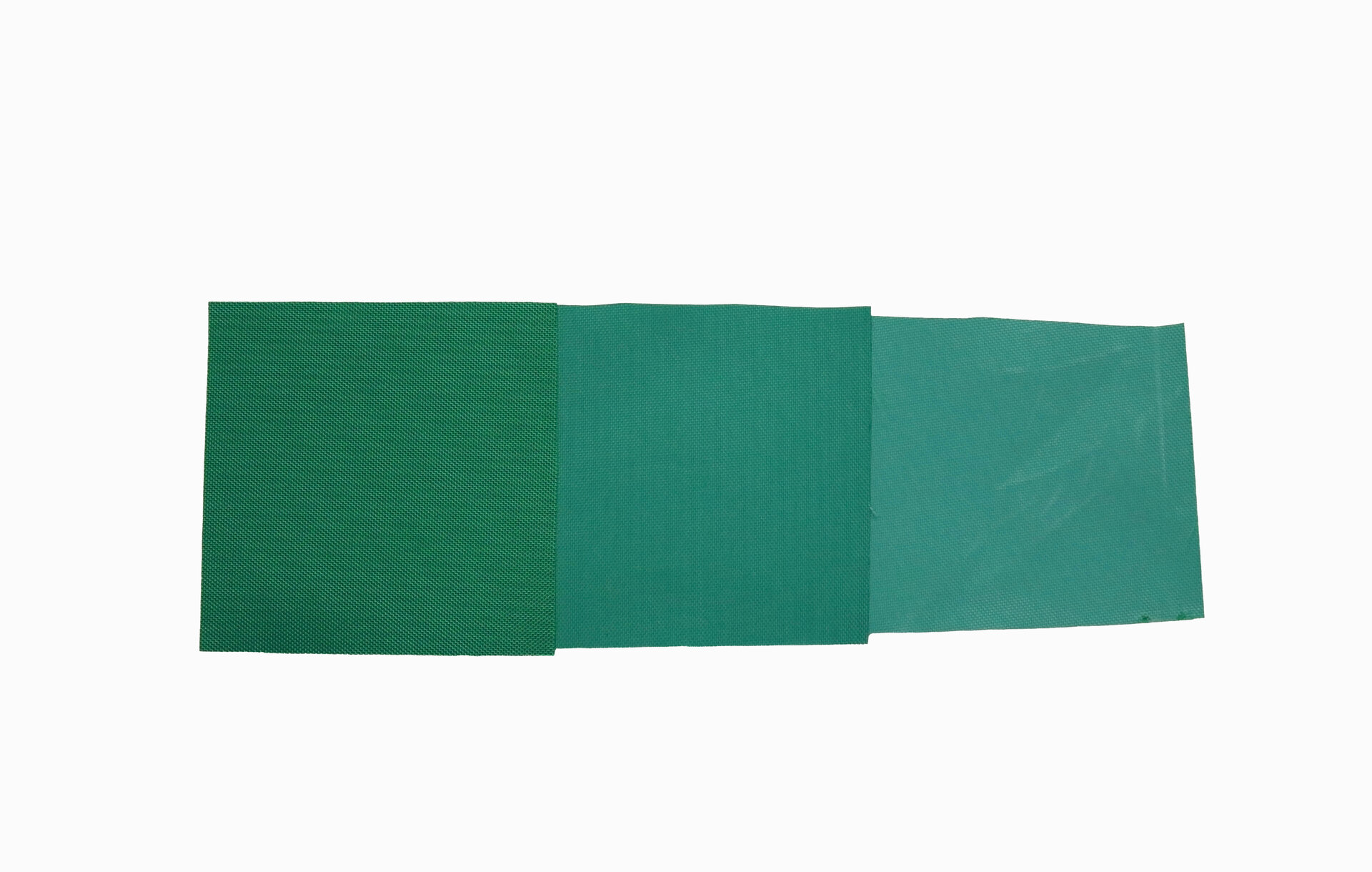
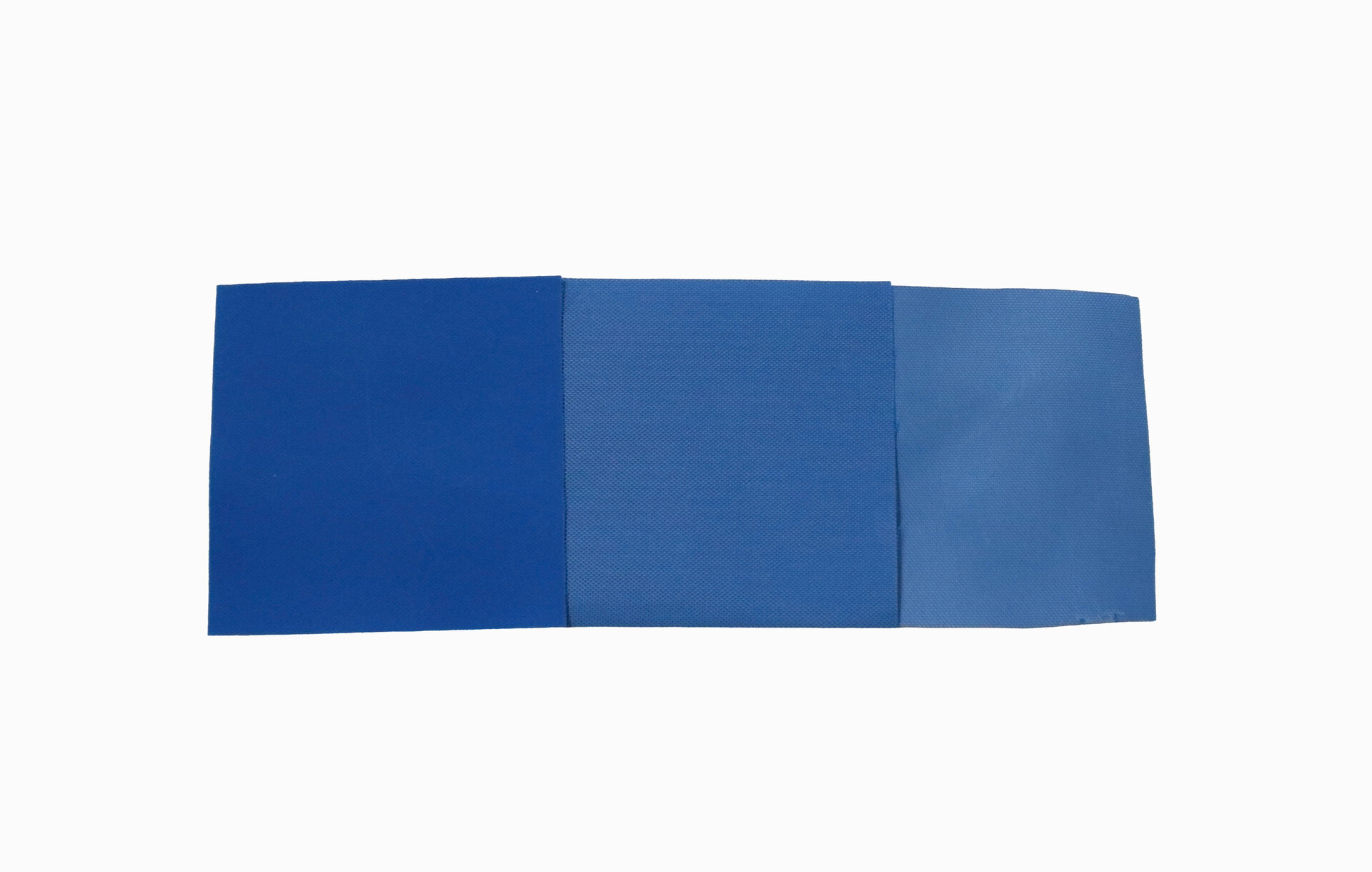
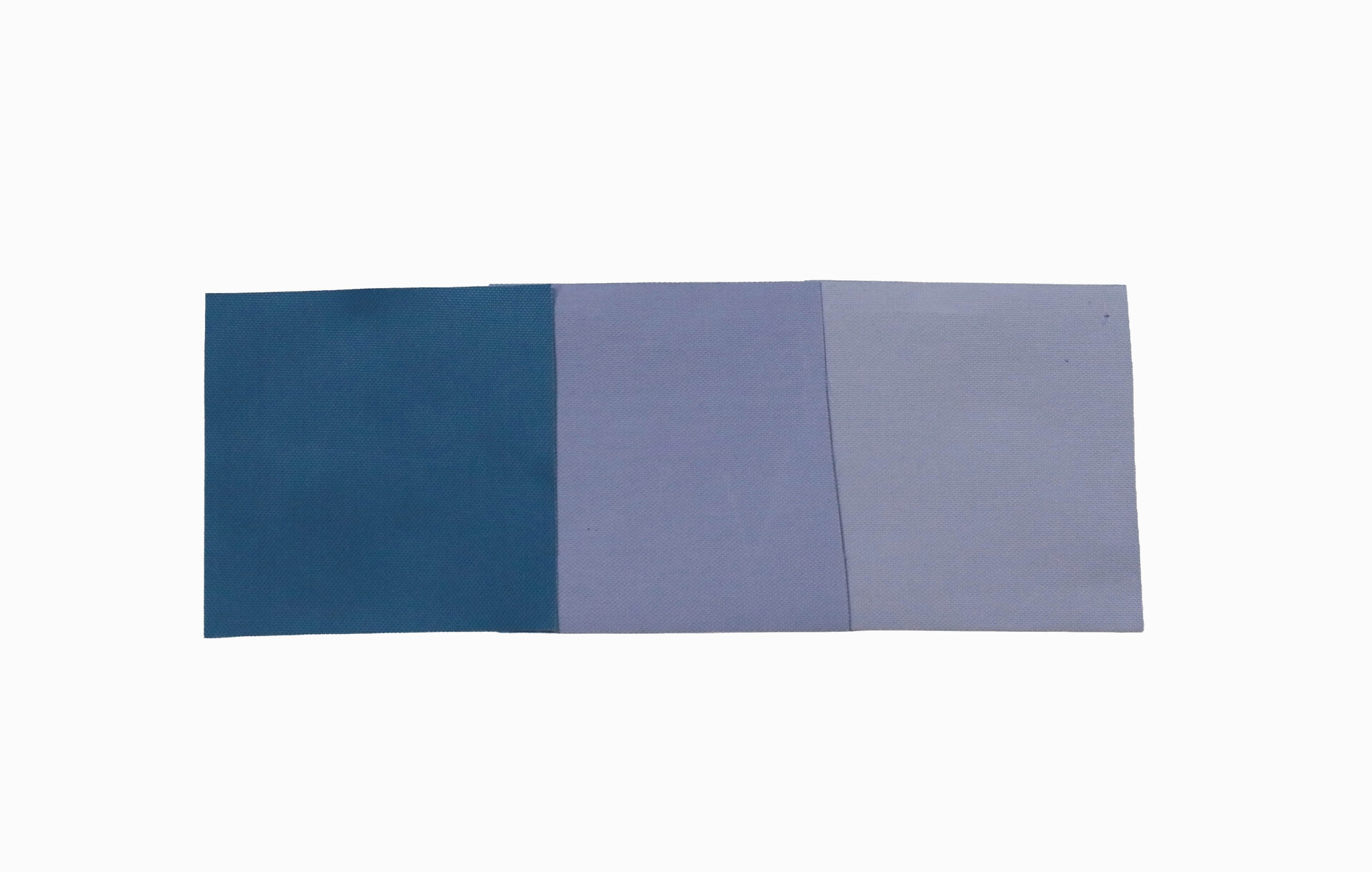
Each month, we removed one strip from each fabric. An unexposed sample was kept as the original reference, making it possible to see when color changes began and how they progressed throughout the year.


The result: Across the tested color range, Pirontex® remained visibly closer to the original, unexposed samples. The conventional fabric showed more noticeable fading and changes in shade.


All color strips are suspended above RUKU1952 tables to test their weather resistance.

Tested Through a Full Year of Real Weather

How the Long-Term Test Worked

Samples of both fabrics were hung side by side and continuously exposed to outdoor weather. Because both materials experienced the same conditions, the monthly fabric strips provide a clear visual comparison of their color performance over time.


Test Conditions at a Glance

Period May 1, 2025–April 30, 2026
Location Zingerle Group headquarters in Naz-Sciaves
Materials compared Pirontex® and conventional Oxford canopy fabric
Documentation One fabric strip removed from each material every month
Reference

One unexposed sample of each color


A Full Year of Changing Conditions

The fabrics experienced a complete annual cycle of sunshine, rain, summer heat, and freezing temperatures.

  • 365 Days Outdoors

    Both fabrics remained outside through every season.

  • 1,950 Hours of Sunshine

    Approximately 1,950 hours of sunshine were recorded during the 12-month reference period.

  • 28.3 Inches of Rain Across 87 Days

    Over the 12-month test, the fabrics were exposed to 28.3 inches of rain, with measurable rainfall recorded on nearly one day out of every four.

  • Temperatures From 12.4°F to 97.9°F

    The reference period covered a temperature range of more than 84°F.

  • Approximately 126 kWh of Solar Energy per Square Foot

    The recorded solar-energy exposure was within the high range typically experienced in Central Europe.

  • UV Index as High as 7.8

    The modeled daily maximum UV Index reached at least 6 on 104 days.

    The weather figures are regional reference values from the nearby Bressanone–Varna weather station. The UV Index was modeled for the test location and was not measured directly at the fabric samples.

See the Color Change Month by Month

The monthly samples show more than the final outcome. They also reveal when changes began and how each color developed throughout the test.

Original: The unexposed sample shows the fabric’s original color.

After 6 Months Outdoors: The fabric had experienced six months of sunlight, rainfall, moisture, and changing temperatures.

After 12 Months Outdoors: The final sample shows the color change after one complete year of continuous exposure.

The Result After 12 Months


Pirontex® Stayed Closer to Its Original Color

In the visual comparison, conventional Oxford fabric showed more noticeable changes across several shades. Pirontex® remained closer to the unexposed reference samples throughout the tested color range.

The monthly strips also show when fading became visible and how the differences developed over the course of the year.

For professionals who use their canopy tents regularly, lasting color supports more than appearance. It helps maintain a polished, consistent brand presentation from one event to the next.

Why Pirontex® Holds Its Color Longer

Color-Fade Resistance Starts Inside the Yarn

Pirontex® is produced using a process known as solution dyeing.

New and recycled polyester polymers are blended with color pigments before the material is made into yarn. Instead of applying color only to the surface of the finished fabric, the pigment runs throughout each fiber.

This process supports high color-fastness performance during prolonged exposure to sunlight, moisture, and outdoor conditions.


Verified Lightfastness

Pirontex® earned a lightfastness rating of 7–8 on a maximum scale of 8 under DIN EN ISO 105-B02 testing.

The 12-month outdoor comparison complements that standardized laboratory rating by showing the fabric’s performance under changing, real-world weather conditions.

More Than Color-Fade Resistance

Pirontex® achieves a 5,000 mm water-column rating. Its dense weave and specialized coating help repel water and dirt while supporting performance through repeated professional use.

Pirontex® carries a B-s1,d0 European fire classification. Mastertent’s standard fabrics are also treated to be fire-retardant and comply with recognized North American standards, including NFPA 701, CPAI-84 Section 6, and CAN/ULC-S109.

A Professional Appearance That Lasts

High color-fade resistance helps the unprinted base colors of your canopy roof and sidewalls remain closer to their original shade over time.

Your setup continues to look polished, coordinated, and ready to represent your organization.

Engineered as a Complete System

Pirontex® is elastic and shape-retaining, allowing the fabric to move with the canopy during setup and return to a smooth, tensioned fit.

The fabric and professional-grade aluminum frame work together as a coordinated system engineered for frequent setups and long-term use.

Design Your Pirontex® Canopy Tent

Pirontex® is available in 13 standard colors. Select the shade that fits your organization, coordinate it with your aluminum frame, and add your logo, messaging, or custom artwork.

UV Protection 50+
UV Protection 50+
Certified fabric for maximum sun protection
Durable
Durable
Professional-grade durability for repeated use
Custom Branding
Custom Branding
Every detail made to fit your needs: colors, fabrics, roof styles, and printing
Extended Warranties
Extended Warranties
Lifetime anti-corrosion warranty, 5-year frame warranty, and 15-year spare parts availability
Frequently Asked Questions

The test compared Pirontex® with conventional Oxford canopy fabric. Available colors from both materials were tested side by side under the same outdoor conditions.

Samples of both fabrics were displayed outdoors continuously for 12 months. One strip was removed from each fabric every month, while an unexposed sample was retained as the original color reference.

In the visual comparison, Pirontex® remained closer to the original reference samples throughout the tested color range. Conventional Oxford fabric showed more noticeable changes across several colors.

Sunshine, rainfall, solar-energy, and temperature figures were based on data from the nearby official Bressanone-Varna weather station. The UV Index was modeled for the test location.

These figures provide regional context for the conditions experienced during the test. They were not recorded directly at the individual fabric samples.

Pirontex® is made using solution-dyed yarn. Color pigments are added to the polyester polymers before the yarn is produced, allowing the color to run throughout the fiber instead of remaining only on the fabric’s surface.

Talk to a Local Product Expert

From your first inquiry to your ideal setup, our Product Experts are here with personal guidance, expert support, and fast answers.
  • Available: Monday–Friday, 9:00 AM–5:00 PM
  • One Dedicated Contact
  • Quotes Within 24 Business Hours
  • Experienced Support From Our U.S. Team